

Food & Culture
Malaysian Food Guide: 15 Must-Try Dishes for First-Time Visitors
16 min read
Trying local food is one of the most memorable parts of visiting Malaysia. From coconut rice and fragrant curries to smoky noodles and refreshing desserts, the country’s food reflects generations of cultural exchange, regional traditions and family cooking. A meal in Kuala Lumpur can be very different from one in Penang, Melaka or Malaysia’s east coast. Malay, Chinese, Indian, Peranakan and indigenous food traditions all contribute to the country’s rich culinary identity. For first-time visitors, knowing what to order can be just as useful as knowing where to go. This Malaysian food guide introduces 15 dishes worth discovering, explains the flavors and ingredients you can expect, and offers practical tips for eating comfortably during your holiday. If you are visiting Malaysia for the first time, consider starting with these local favorites:
Malaysian Food at a Glance
These are only a starting point. Malaysia’s regional dishes offer many more discoveries, from colorful east-coast rice preparations to Peranakan specialties and traditional sweet snacks.
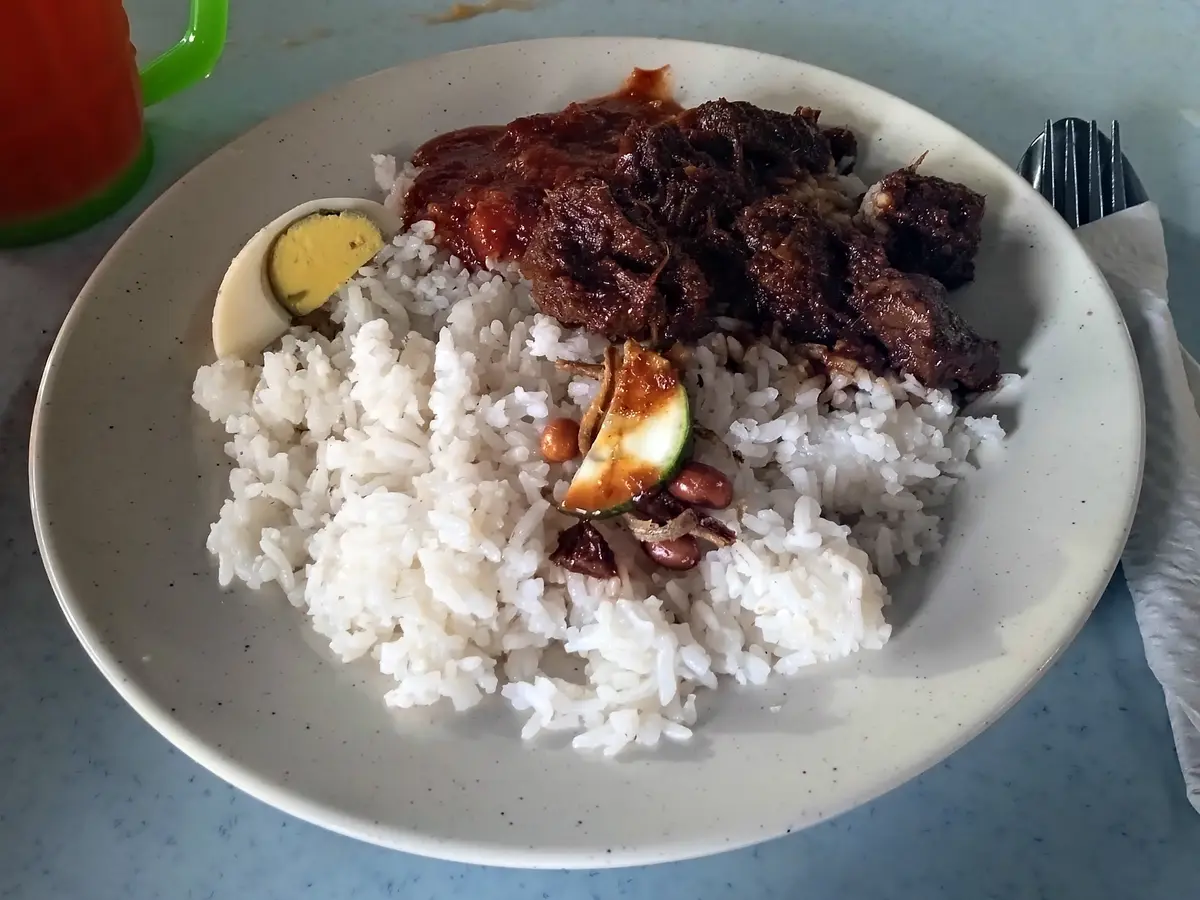
1. Nasi Lemak — Malaysia’s Iconic Coconut Rice
Nasi lemak is one of the most recognizable dishes in Malaysian cuisine.
Its defining feature is rice cooked with coconut milk, often scented with pandan leaves. A traditional serving commonly includes sambal, cucumber, peanuts, fried anchovies and egg.
You may also find versions served with chicken, seafood or other accompaniments.
The combination of fragrant rice, savory ingredients and spicy sambal makes the dish distinctive.
When should you try nasi lemak?
Although commonly associated with breakfast, nasi lemak is enjoyed at different times of the day.
It may be sold in a simple wrapped portion or presented as a larger meal.
If you are unfamiliar with spicy food, ask about the sambal before adding a generous amount.
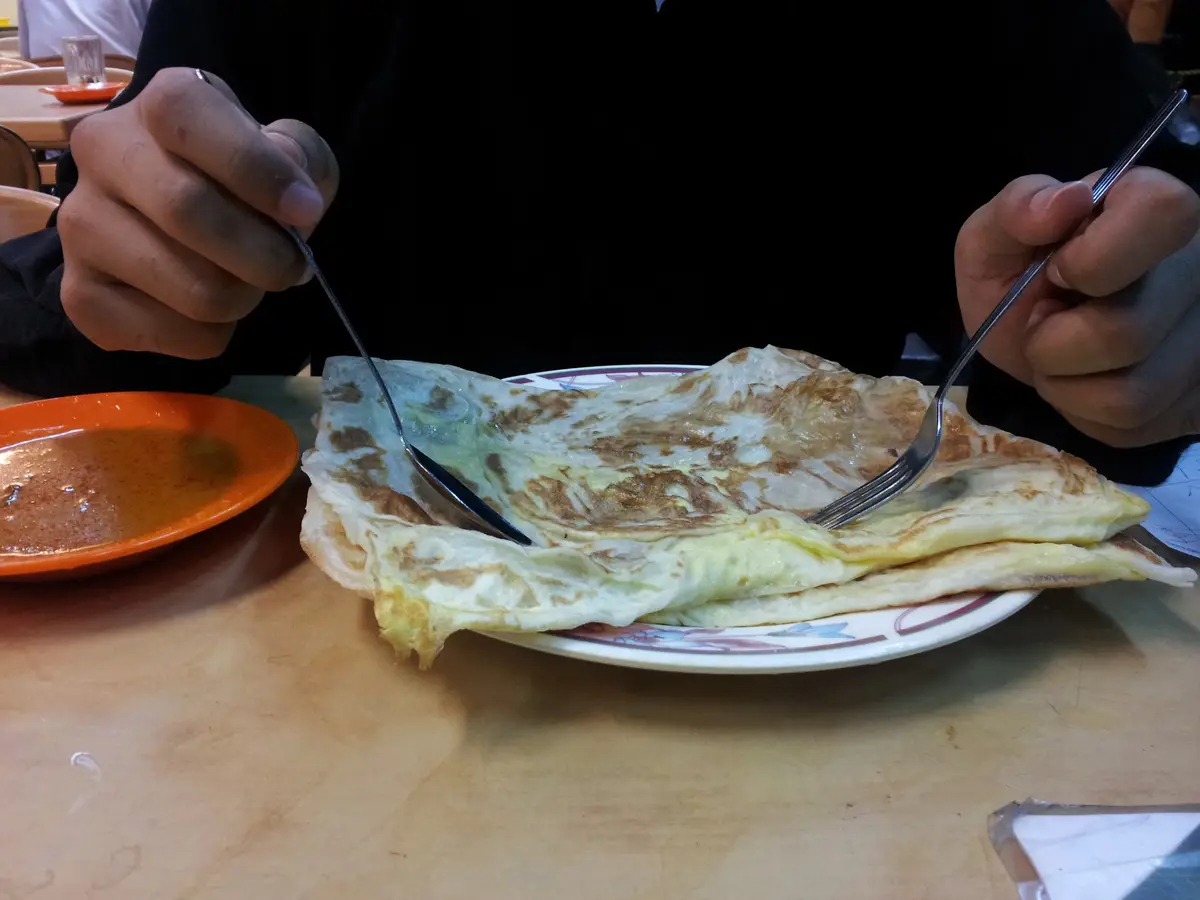
2. Roti Canai — Flaky Flatbread With Curry
Roti canai is a popular flatbread with layered, flaky textures.
It is typically prepared on a hot griddle and served with dhal, curry or other dipping sauces.
The bread can be crisp on the outside while remaining soft inside, making it particularly satisfying when eaten freshly prepared.
Roti canai is closely associated with Malaysia’s Indian Muslim, or mamak, food tradition.
What should first-time visitors order?
A plain roti canai with dhal is a straightforward introduction.
You can then explore different preparations, such as versions containing egg or other fillings.
Mamak restaurants are common places to experience this style of Malaysian dining.
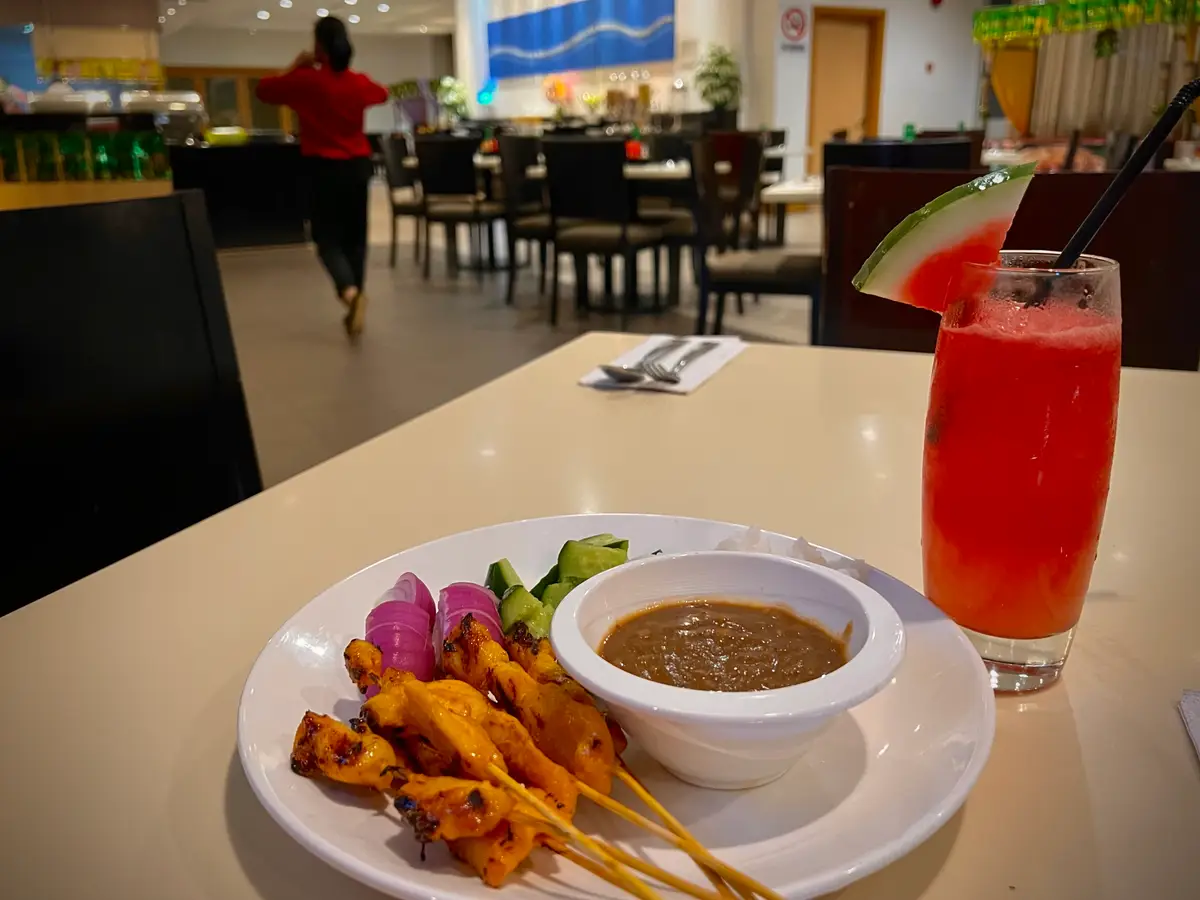
3. Satay — Malaysian Grilled Skewers
Satay consists of marinated meat arranged on skewers and cooked over a grill.
Chicken and beef are common choices, although other variations exist.
The meat is often accompanied by a rich peanut-based sauce, cucumber, onion and compressed rice cakes.
The grilled aroma is a major part of the appeal.

Why is satay popular with visitors?
It is easy to share, suitable for an informal meal and offers a distinctive balance of savory meat and nutty sauce.
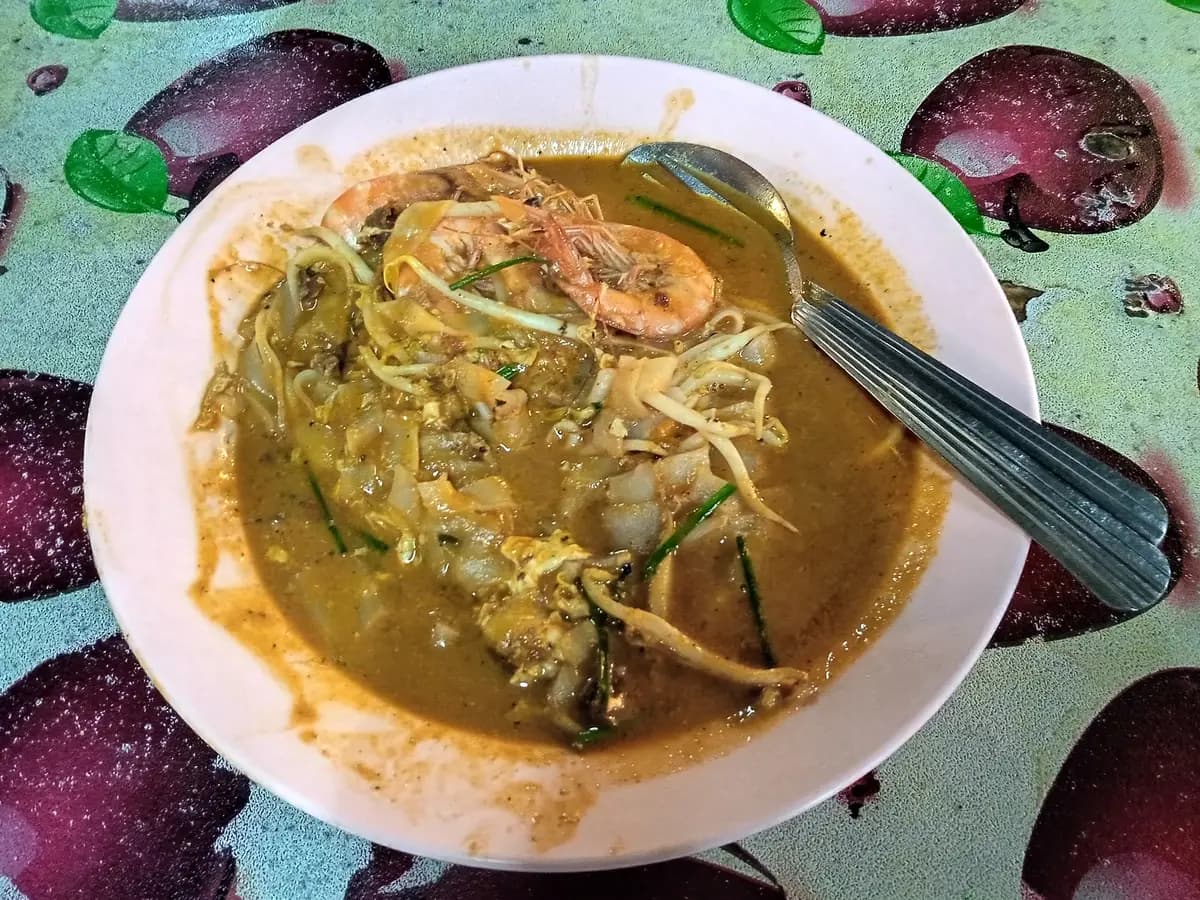
4. Char Kway Teow — Smoky Stir-Fried Noodles
Char kway teow is a well-known Malaysian hawker dish, particularly associated with Penang.
Flat rice noodles are stir-fried over high heat with sauces and other ingredients.
Depending on the preparation, a serving may include prawns, egg, bean sprouts, Chinese chives, cockles and additional proteins.
The intense heat produces the characteristic smoky flavor appreciated by many noodle lovers.
Important ingredient considerations
Not all char kway teow preparations are halal, vegetarian or suitable for people with seafood allergies.
Some versions include pork products, lard or shellfish.
Check the ingredients with the vendor instead of assuming every stall uses the same recipe.
5. Penang Assam Laksa — Tangy Fish Noodle Soup
Laksa is not a single identical dish across Malaysia.
Different regions prepare their own versions, ranging from rich coconut-based broths to tangy fish-based soups.
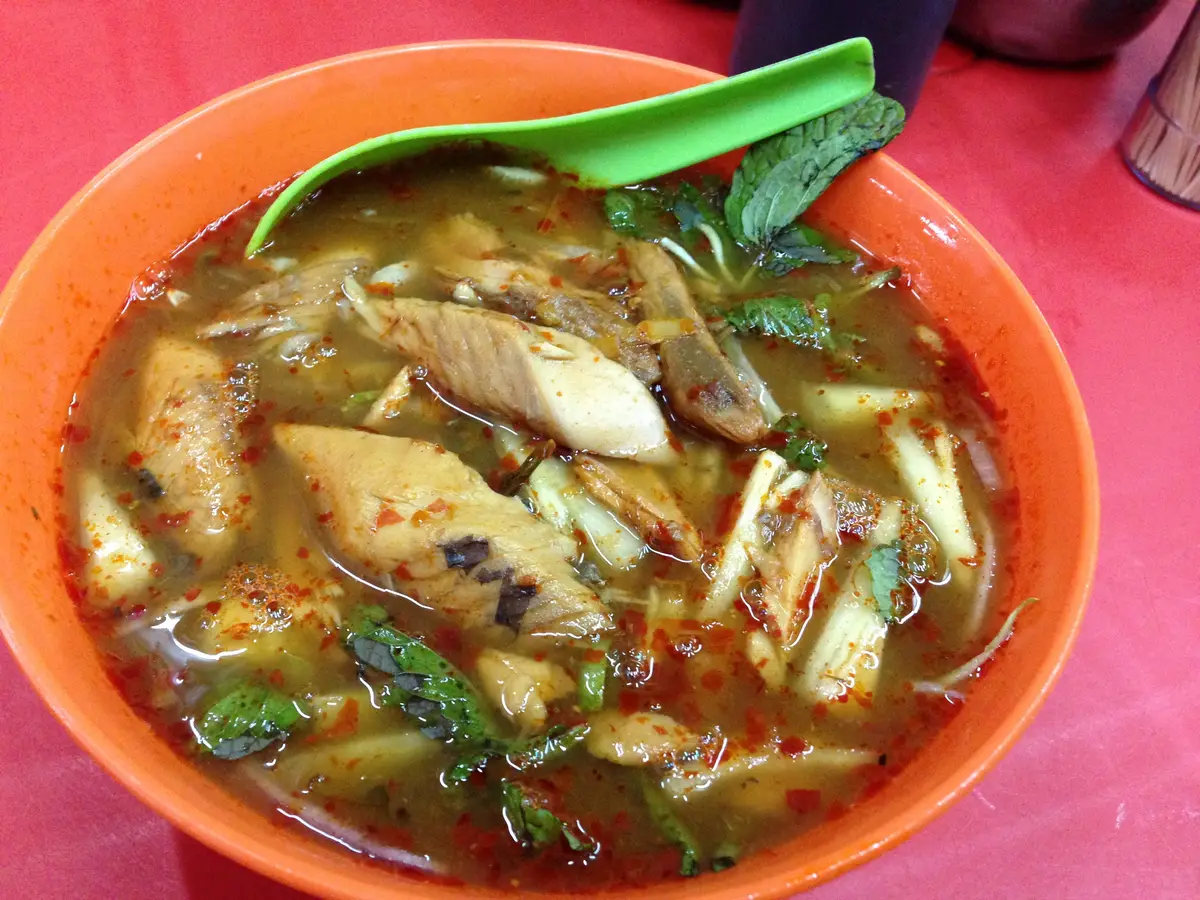
Penang assam laksa is particularly distinctive.
It typically features rice noodles in a sour and spicy broth made with fish, tamarind and aromatic ingredients.
Fresh herbs and vegetables contribute additional flavor and texture.

Is assam laksa spicy?
It can be, but the balance of sourness, spice and fresh aromatics varies.
If you are sensitive to strong flavors, ask the vendor what to expect.
For food enthusiasts, comparing different regional versions of laksa can be a rewarding part of traveling around Malaysia.
6. Nasi Kandar — Rice With a Selection of Curries
Nasi kandar is strongly associated with Penang and Indian Muslim food traditions.
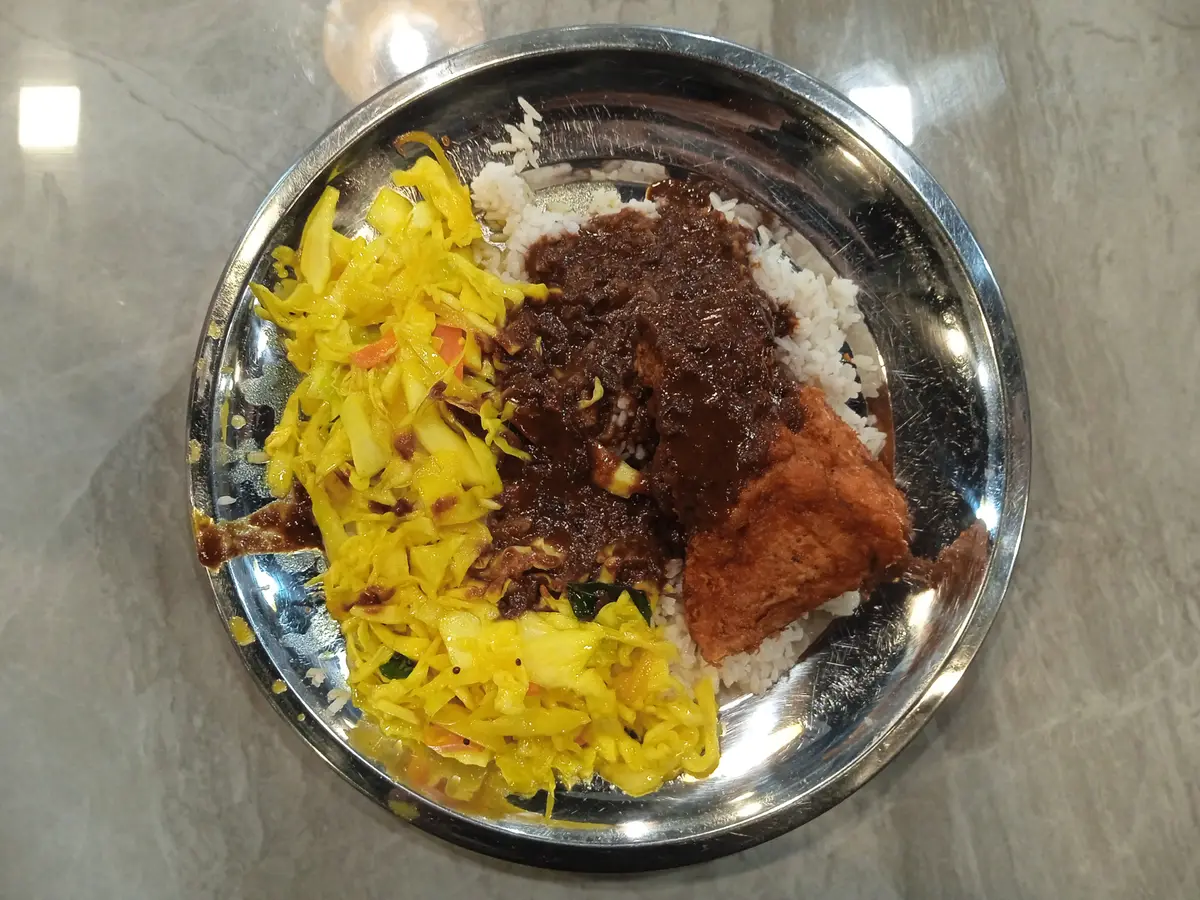
The main idea is simple: rice served with a selection of curries, vegetables, meat, seafood or other accompaniments.
Different curry sauces may be combined over the rice, creating layers of flavor.
The experience can be quite different from one restaurant to another because the choices depend on what has been prepared that day.
How to order nasi kandar
Look at the available dishes and choose the items you want.
Ask about ingredients and spice levels if necessary.
Because the final price can depend on the side dishes selected, checking the cost before ordering may help avoid surprises.
7. Rendang — Slow-Cooked Meat With Aromatic Spices
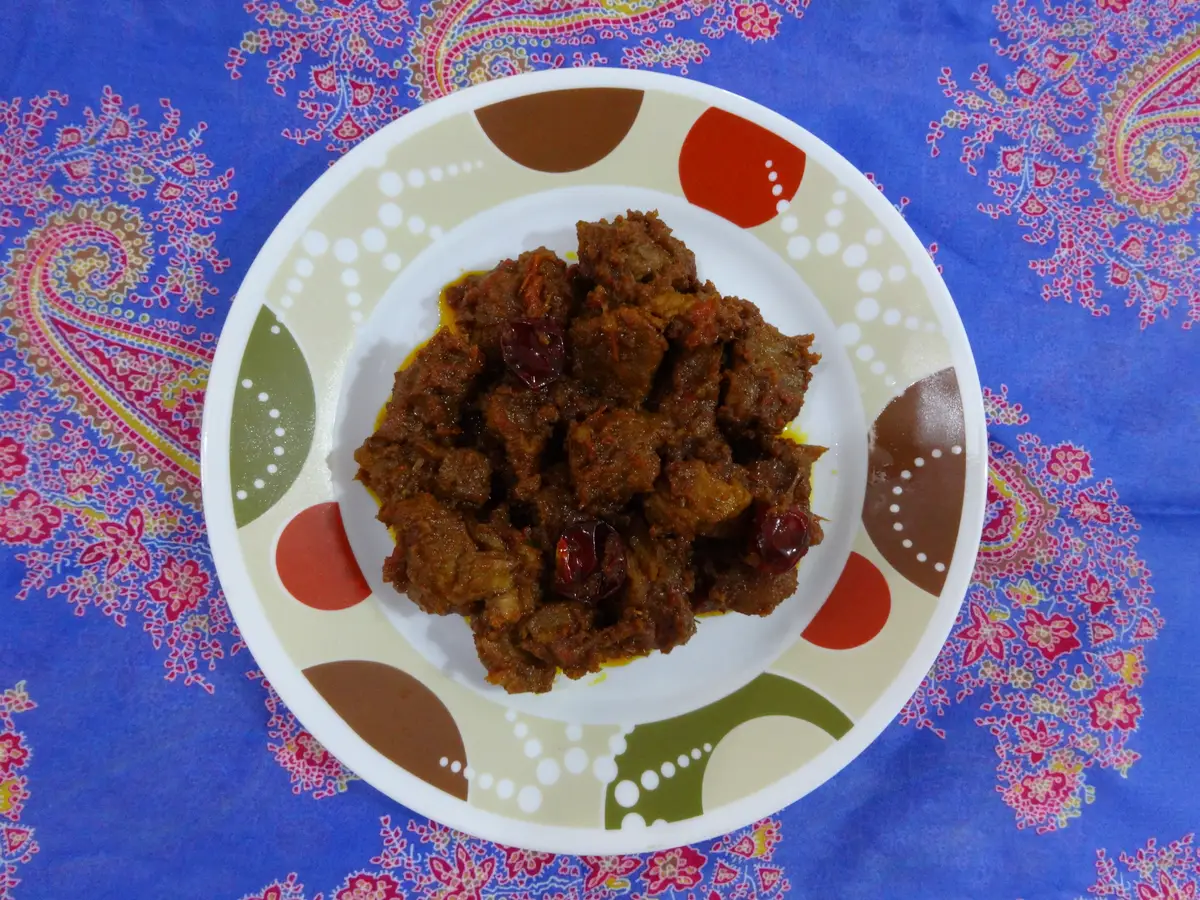
Rendang is prepared by cooking meat with coconut milk, spices and aromatic ingredients until the flavors become concentrated.
Beef rendang is especially familiar, but other variations are prepared.
The final texture and amount of sauce depend on the cooking style and local tradition.
Rendang is enjoyed in Malaysia during everyday meals and special occasions.
What does rendang taste like?
It is rich, aromatic and savory, with a complex combination of spices rather than one simple flavor.
It may be served with rice or traditional accompaniments such as ketupat or lemang.
Rendang is a good dish to try when you want to experience a slower, more deeply seasoned style of Malaysian cooking.
8. Nasi Kerabu — Colorful Rice From Malaysia’s East Coast
Nasi kerabu is associated particularly with northeastern Malaysia, including Kelantan and Terengganu.
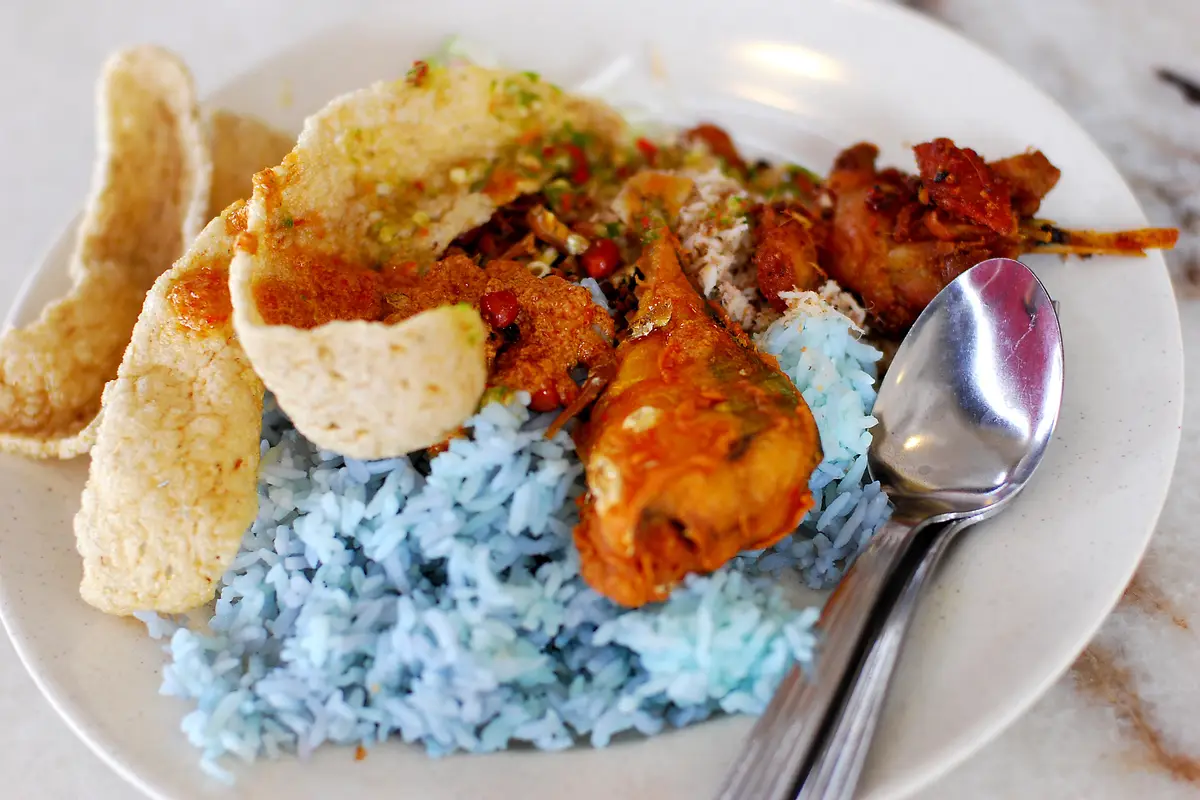
It is recognizable for its colorful rice, frequently tinted blue using butterfly pea flowers.
The rice is served with herbs, vegetables, sambal and a variety of other accompaniments.
Depending on the preparation, it may also include fish, meat, salted egg or crackers.

Why is nasi kerabu different?
Its appeal comes not only from the rice color but also from the combination of fresh herbs and contrasting textures.
For travelers exploring regional Malaysian cuisine, it is a useful reminder that rice dishes vary enormously from one state to another.
9. Mee Goreng Mamak — Malaysian-Style Fried Noodles
Mee goreng mamak is another popular example of Indian Muslim influence on Malaysian cooking.
Yellow noodles are stir-fried with a savory, often slightly sweet and spicy sauce.
Ingredients may include vegetables, tofu, egg, potatoes and additional proteins.
A squeeze of lime can provide a bright contrast to the rich noodle mixture.
When is it eaten?
Mee goreng mamak is enjoyed at different times of day and can be a convenient meal while exploring a city.
Because sauces and accompaniments vary, travelers with dietary restrictions should confirm the ingredients.
10. Hainanese Chicken Rice — A Comforting Rice Meal
Chicken rice is widely enjoyed in Malaysia and reflects Chinese culinary influence.
It commonly features poached or roasted chicken served with fragrant rice and accompaniments such as chili sauce, ginger and broth.
Different restaurants have their own styles of preparation.
For visitors looking for a meal that is not necessarily dominated by chili, chicken rice can be an approachable option.
However, the sauces, stock and preparation methods may vary.
Where should you try it?
Chicken rice is found in many Malaysian cities, including Kuala Lumpur and other urban destinations.
Choose a busy, well-maintained establishment and confirm any dietary requirements before ordering.
11. Curry Laksa — Rich and Fragrant Noodle Soup
Curry laksa offers a different experience from the sourer Penang assam laksa.
It commonly features noodles in a spiced broth containing coconut milk.
Depending on the style, toppings may include chicken, seafood, tofu, bean sprouts or other ingredients.
The result is a satisfying bowl with a rich aroma and a warming mixture of flavors.
What makes curry laksa special?
The balance of creamy broth, spices, noodles and toppings makes it a complete meal.
Regional and restaurant variations are common, so the same dish name does not guarantee identical ingredients.
Seafood and shrimp-based ingredients may be present, even when they are not immediately visible.
12. Nasi Dagang — A Traditional East-Coast Specialty
Nasi dagang is traditionally associated with Malaysia’s northeastern coastal states.
It features rice prepared with ingredients such as coconut milk and aromatic seasonings, often accompanied by a fish curry.
Some preparations use a combination of rice varieties.
The dish offers a different flavor profile from nasi lemak, despite both being rice-based meals.
Why should travelers try nasi dagang?
It provides an opportunity to discover regional cooking beyond the dishes commonly found on international travel lists.
If you visit Terengganu or Kelantan, look out for local preparations rather than expecting every version to be identical.
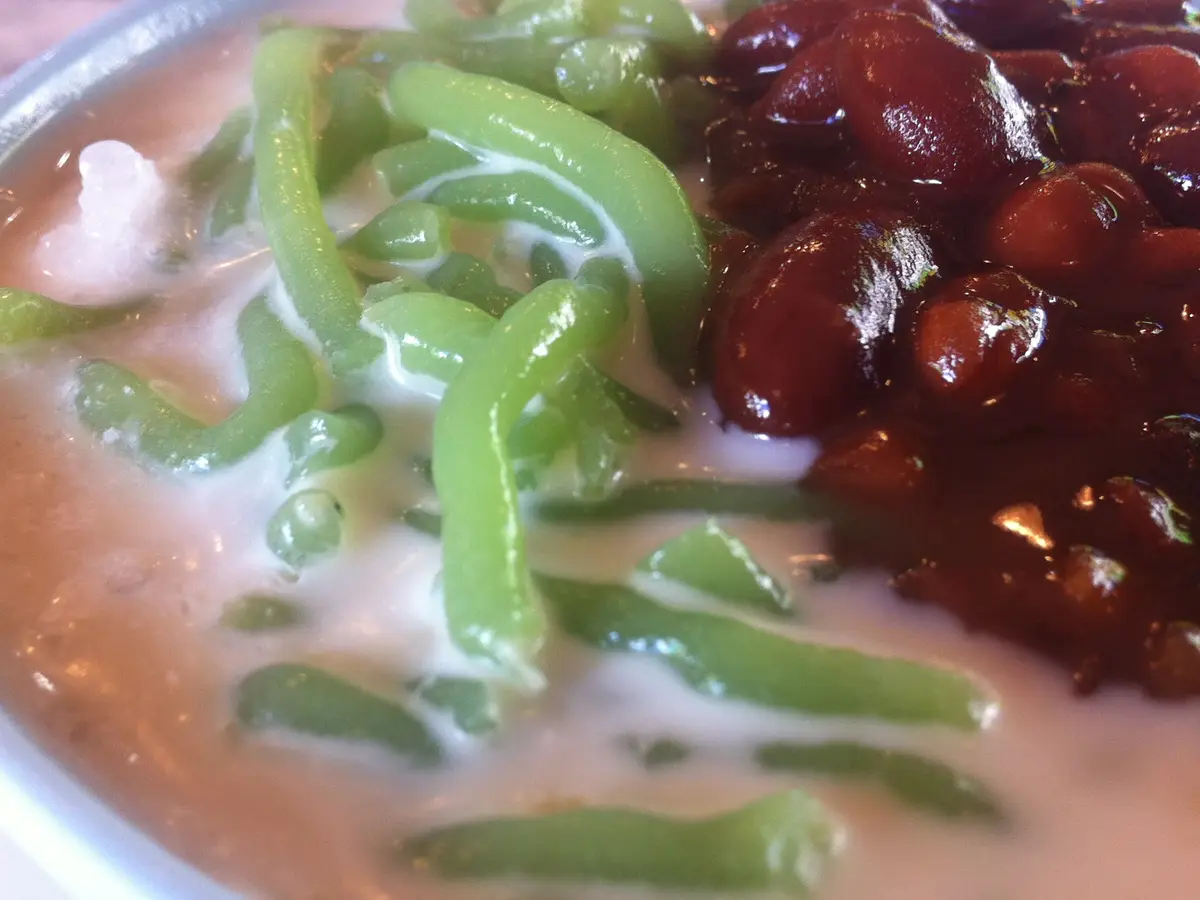
13. Cendol — A Refreshing Malaysian Dessert
After a hot afternoon of sightseeing, cendol can be a particularly welcome treat.
This chilled dessert commonly combines shaved ice, coconut milk, palm sugar syrup and green jelly-like strands made from flour.
Additional ingredients vary.
The contrast between cold ice, creamy coconut milk and sweet palm sugar makes it especially appealing in Malaysia’s tropical climate.
Is cendol very sweet?
It can be quite sweet, depending on how much syrup is added.
If possible, ask for a lighter serving of syrup if you prefer less sweetness.
Cendol is a good introduction to Malaysian desserts based on coconut and palm sugar.
14. Ais Kacang — Colorful Shaved-Ice Dessert
Ais kacang, also known as air batu campur or ABC, is another popular Malaysian shaved-ice dessert.
It can contain a colorful combination of beans, jelly, corn, sweet syrups, milk-based toppings and other ingredients.
The exact composition varies between vendors.
For travelers unfamiliar with the idea of beans in a dessert, ais kacang can be an interesting discovery.
What should you expect?
A cold, sweet dessert with several textures in one bowl.
Some servings are simple, while others are generously decorated with additional toppings.
Check the ingredients if you have a dairy allergy or other dietary restrictions.
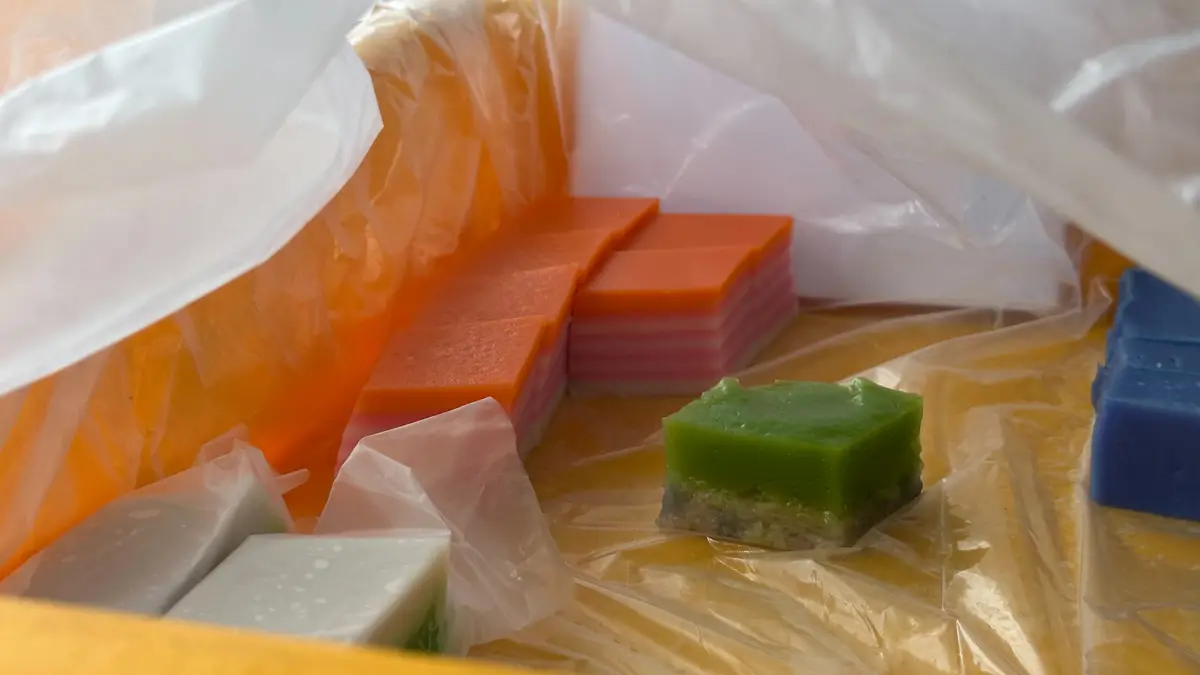
15. Malaysian Kuih — Traditional Sweet and Savory Snacks
Kuih refers to a diverse family of traditional snacks and small treats rather than one specific recipe.
Some are sweet, others savory.
Common ingredients across different preparations include rice flour, glutinous rice, coconut, palm sugar and pandan.
Colors, textures and shapes vary widely.
Certain kuih are soft and layered, while others may be chewy, steamed or wrapped in leaves.
Why try kuih?
They provide an enjoyable way to sample several small flavors rather than ordering a single large dessert.
A traditional market or local snack stall may offer a useful introduction.
Ask the vendor about fillings and ingredients, particularly if you need to avoid coconut, peanuts, eggs, seafood or dairy.
Where to Find Malaysian Food
Food is available in many different settings across Malaysia.
Hawker centers and food courts
These places often offer a variety of meals prepared by different vendors.
They can be useful for groups with different food preferences.
Before ordering, check how payment and seating work at that particular location.
Mamak restaurants
Mamak restaurants are commonly associated with Indian Muslim cuisine and dishes such as roti canai, mee goreng mamak and nasi kandar.
Menus and operating hours vary.
Markets and street-food areas
Markets can be memorable places to experience local food, drinks and snacks.
Choose vendors that handle food hygienically, and be mindful of heat, storage conditions and allergies.
Restaurants
Restaurants may be convenient for visitors who prefer table service, more predictable seating or additional menu information.
There is no single correct way to enjoy Malaysian food. The best choice depends on your tastes, budget and comfort.
Malaysian Food by Destination
Kuala Lumpur
Kuala Lumpur offers a wide range of Malaysian cuisines in one city, making it particularly convenient for first-time visitors.
You can explore different dishes without changing destinations.
Our Kuala Lumpur travel guide helps you plan sightseeing alongside your food experiences.
Penang
Penang is especially well known for its varied food traditions.
Char kway teow, assam laksa and nasi kandar are among the dishes travelers commonly seek out.
Make time for meals rather than treating food as something to fit into the gaps between sightseeing.
Melaka
Melaka has a distinctive food heritage shaped by its long trading history and multicultural communities.
Peranakan culinary traditions are an important part of the region’s identity.
Visitors can combine heritage sightseeing with opportunities to explore local cooking.
Malaysia’s East Coast
Terengganu and Kelantan offer regional dishes such as nasi dagang and nasi kerabu.
These are worthwhile options for travelers interested in discovering food traditions beyond the main urban destinations.
Halal, Vegetarian and Food Allergy Considerations
Malaysia has extensive halal dining options, but travelers should not assume that every restaurant, hawker stall or version of a dish is halal.
Look for appropriate certification where relevant and ask questions when needed.
Vegetarian travelers should also check sauces, stocks and seasonings.
Some dishes that appear vegetable-based may contain shrimp paste, fish sauce, dried anchovies or meat-based broth.
Practical Tips for Eating in Malaysia
Trying unfamiliar food is easier when you approach it with curiosity and a little preparation.
- Start with dishes that match your preferred level of spice.
- Ask about ingredients before ordering.
- Check prices when selecting multiple side dishes.
- Drink water regularly in Malaysia’s tropical climate.
- Choose establishments with good food-handling practices.
- Keep some local currency for places where card payment is unavailable.
- Respect local dining customs and religious practices.
- Explore regional dishes rather than ordering the same meal every day.
A memorable food experience does not require visiting the most expensive restaurant.
Sometimes the most enjoyable meal is a simple dish prepared carefully at a neighborhood establishment.
Planning Your Malaysia Food Adventure
If this is your first trip, Kuala Lumpur is a useful place to begin.
You can explore famous landmarks while sampling dishes from several Malaysian culinary traditions.
Travelers continuing to Penang or Melaka can discover regional specialties along the way.
Our seven-day Malaysia itinerary combines Kuala Lumpur, Genting Highlands and Melaka in a practical first-time route.
You can also read our best-time-to-visit-Malaysia guide to help choose dates for your trip.
Before departing, check your passport, visa situation and any applicable Malaysia Digital Arrival Card requirements.
Our Malaysia travel checklist explains the essential preparations so you can spend more time enjoying your holiday.
Frequently Asked Questions
What is the most famous Malaysian food?
Nasi lemak is among Malaysia’s most recognizable dishes. Roti canai, satay, laksa and char kway teow are also widely known.
Is Malaysian food spicy?
Some dishes are spicy, but others are mild. Chili sauces and sambal are sometimes served separately, making it possible to adjust the meal to your taste.
What food should first-time visitors try?
Nasi lemak, roti canai, satay, char kway teow and a regional laksa are useful starting points because they introduce different Malaysian culinary traditions.
Is Malaysian food halal?
Many halal options are available, but not every food outlet or dish is halal. Verify the restaurant or preparation according to your own requirements.
Can vegetarians find food in Malaysia?
Yes, vegetarian options exist, but some sauces and broths contain animal-derived ingredients. Ask about the full preparation.
What Malaysian food is popular in Penang?
Char kway teow, assam laksa and nasi kandar are among the dishes commonly associated with Penang.
What is the difference between assam laksa and curry laksa?
Assam laksa is generally tangy and fish-based, while curry laksa commonly features a richer coconut-based spiced broth.
What is cendol?
Cendol is a chilled dessert commonly made with shaved ice, coconut milk, palm sugar syrup and green jelly-like strands.
Is street food available throughout Malaysia?
Street food and informal dining are common in many towns and cities, although the variety and operating arrangements differ by location.
Should I research food before traveling to Malaysia?
A little preparation can help you recognize local dishes, understand ingredients and identify suitable options for your dietary needs.
Final Thoughts: Discover Malaysia One Dish at a Time
Malaysia’s food culture is one of the country’s great travel experiences.
From a simple plate of nasi lemak to a bowl of regional laksa, every meal can introduce visitors to different ingredients, traditions and communities.
There is no need to try every famous dish in one visit.
Start with a few that interest you, explore local variations and make room for unexpected discoveries.
Browse our Malaysia travel guides, seven-day itinerary and travel checklist to plan the rest of your journey.