

Travel Planning
Best Time to Visit Malaysia: Weather, Monsoons & Where to Go by Month
14 min read
Malaysia is a destination you can explore throughout the year, but choosing the right month can make a significant difference to your experience. A beach holiday in Langkawi, a city break in Kuala Lumpur, and a snorkeling trip to the Perhentian Islands do not necessarily share the same ideal travel season. The secret to planning a successful Malaysia holiday is understanding how the weather changes between regions. Malaysia has a tropical climate, generally warm temperatures, high humidity, and rainfall in every season. Rather than a single nationwide dry season, the country experiences monsoon patterns that affect different destinations in different ways. This guide explains the best time to visit Malaysia, what to expect during the monsoon seasons, and how to choose destinations according to your travel dates.
1. Understanding Malaysia’s Climate and Monsoon Seasons
Malaysia sits close to the equator, giving much of the country a warm and humid climate.
Two main monsoon patterns influence rainfall.
Northeast Monsoon: November to March
The Northeast Monsoon is associated with heavier rainfall in parts of the east coast of Peninsular Malaysia, western Sarawak and northeastern Sabah.
In areas such as Kelantan, Terengganu and parts of Pahang and Johor, heavy rainfall may affect travel conditions, road access and marine transportation.
Some island accommodation and boat services operate seasonally. Visitors planning trips to the east-coast islands should check current availability rather than assume all services run year-round.
The Northeast Monsoon does not mean that the entire country experiences continuous rain. Conditions can be very different on the west coast during the same week.

Southwest Monsoon: Approximately Late May to September
The Southwest Monsoon generally brings comparatively drier conditions to much of Malaysia, although thunderstorms and regional rainfall remain possible.
Travelers visiting cities and inland attractions may still encounter sudden showers, particularly later in the day.
For many east-coast island destinations, this broader period aligns with better opportunities for marine activities than the wetter northeast-monsoon months.
Inter-Monsoon Periods
The transitions between the main monsoon periods commonly occur around April–May and October–November.
Afternoon thunderstorms and rapidly changing conditions can be more noticeable during these periods.
An otherwise sunny morning can be followed by heavy rain, so it is useful to plan outdoor activities with an indoor alternative.
2. Best Time to Visit Kuala Lumpur
Kuala Lumpur is one of Malaysia’s most practical year-round destinations.
The city offers a combination of indoor and outdoor attractions, including major shopping centers, museums, markets, restaurants and architectural landmarks.
Although rainfall is common throughout the year, a short shower does not usually prevent travelers from enjoying the city.
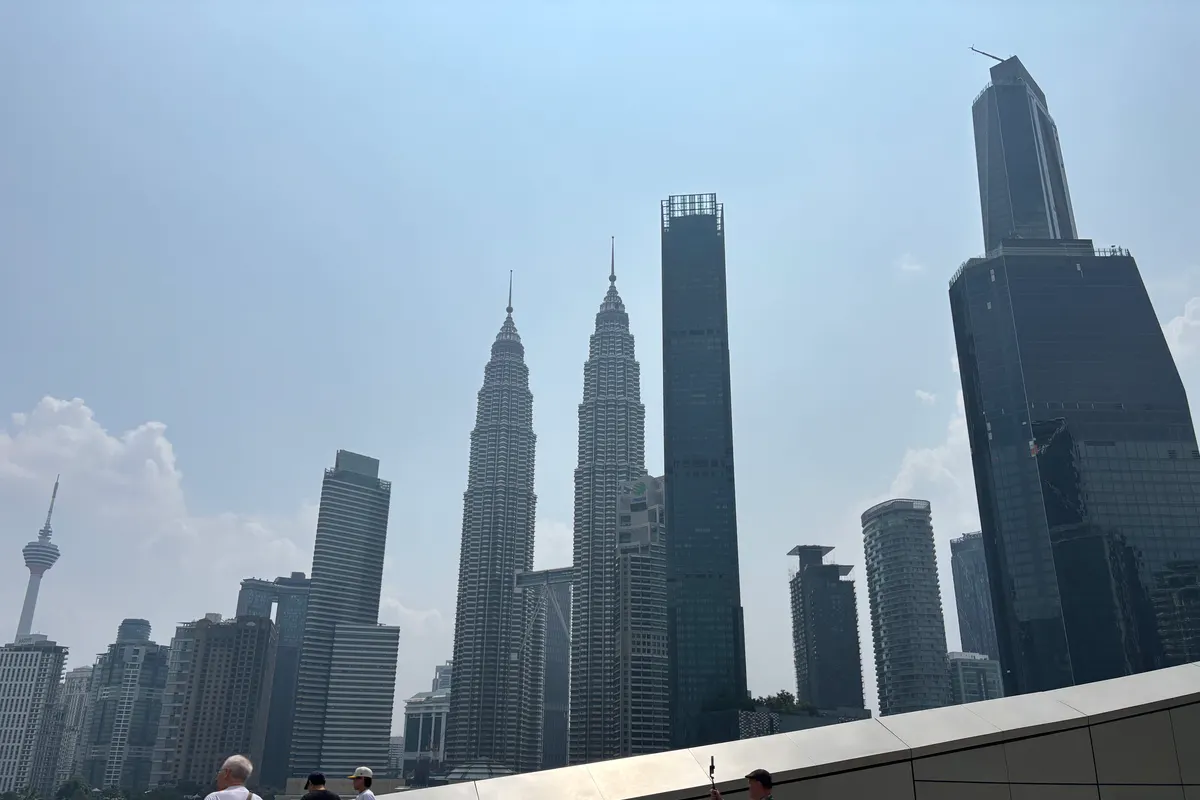
What to do during rainy weather
If rain interrupts an outdoor itinerary, consider visiting a museum, exploring a shopping district, enjoying Malaysian food, or moving a rooftop attraction to another part of your stay.
The city’s public transportation options also help visitors move between attractions without depending entirely on walking.
For sightseeing days, carrying a compact umbrella and allowing extra travel time are sensible precautions.
Explore our Kuala Lumpur travel guide for destination ideas and practical planning.
3. Best Time to Visit Langkawi
Langkawi is known for tropical beaches, island scenery, mangrove landscapes and outdoor excursions.
For travelers prioritizing beach days, December through February are generally appealing because conditions are often comparatively favorable along this part of Malaysia’s west coast.
This period can also attract more holidaymakers, so popular accommodation and activities may need earlier planning.
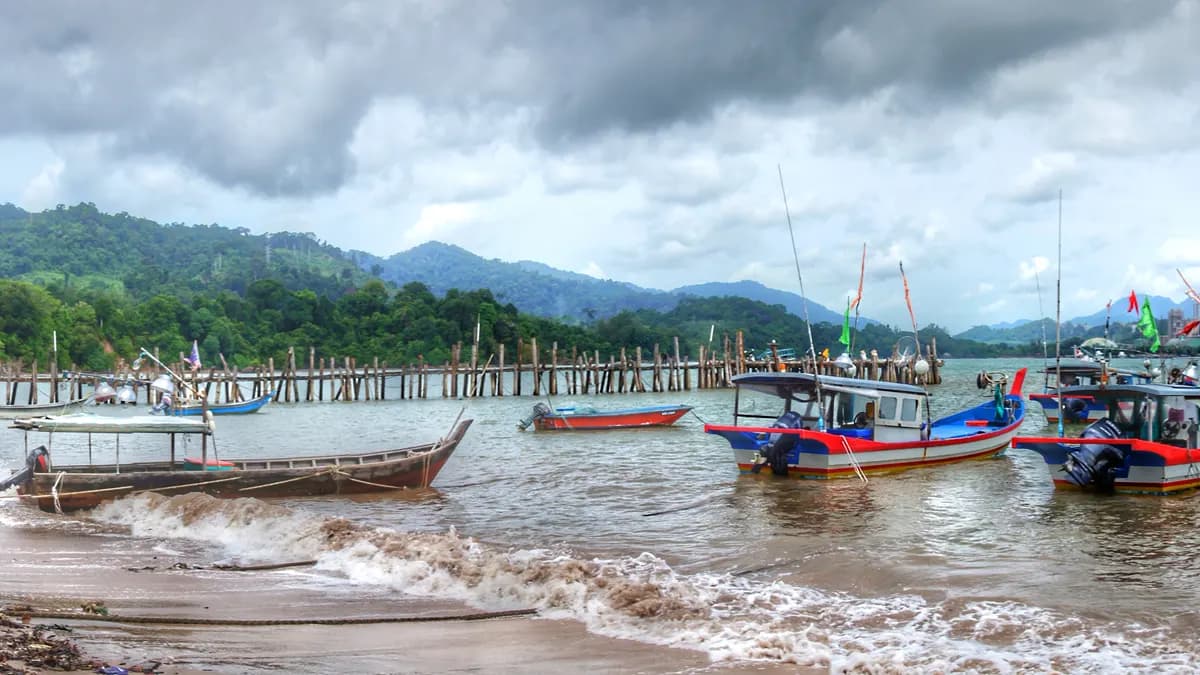
Visiting Langkawi outside the relatively drier season
Other months can still be enjoyable, but rainfall and sea conditions may affect specific excursions.
A rainy day does not automatically mean a ruined island holiday. However, activities involving boats, exposed beaches or offshore travel are more weather-sensitive than indoor attractions.
Visitors should confirm the operating conditions for island-hopping activities and boat trips shortly before departure.
If your main priority is spending several uninterrupted days on the beach, allow some flexibility rather than booking every excursion back-to-back.
4. Best Time to Visit Penang
Penang combines cultural heritage, urban sightseeing and coastal attractions.
George Town’s streets, architecture, food experiences and museums can be enjoyed in different seasons, although outdoor walking tours are more comfortable when the weather cooperates.
The comparatively drier months toward the beginning of the year are attractive for many visitors.
However, Penang is not purely a beach destination, which gives travelers greater flexibility during wetter periods.

Why Penang works for a mixed itinerary
You can explore historic neighborhoods in the morning, visit cultural attractions later in the day and enjoy local dining in the evening.
If rain develops, an indoor stop can replace a longer walk or waterfront activity.
For travelers combining Kuala Lumpur and Penang, it is worth considering transport arrangements and accommodation convenience alongside the weather forecast.
5. Best Time to Visit Perhentian, Redang and Tioman
Malaysia’s east-coast islands are especially sensitive to seasonal sea conditions.
The Perhentian Islands, Redang and Tioman are associated with beaches, snorkeling, diving and marine scenery.
For many of these destinations, April through September is a practical period to consider, with some facilities operating into October depending on conditions.

Why the monsoon matters for island trips
During the wetter Northeast Monsoon, heavy rain, rough seas and reduced marine transport can make travel difficult.
Some resorts and operators suspend or reduce services for part of the season.
Different islands, businesses and boat services do not necessarily follow identical schedules.
Before booking an island holiday, verify accommodation availability, ferry operations, and the cancellation policies of excursions.
6. Best Time to Visit Genting Highlands
Genting Highlands offers a different Malaysian holiday experience, with mountain scenery, entertainment, shopping, theme parks and cable-car journeys.
Because of its elevation, the environment can feel cooler than lowland cities.
The destination can be visited throughout the year, but the weather may influence what you can see and do.
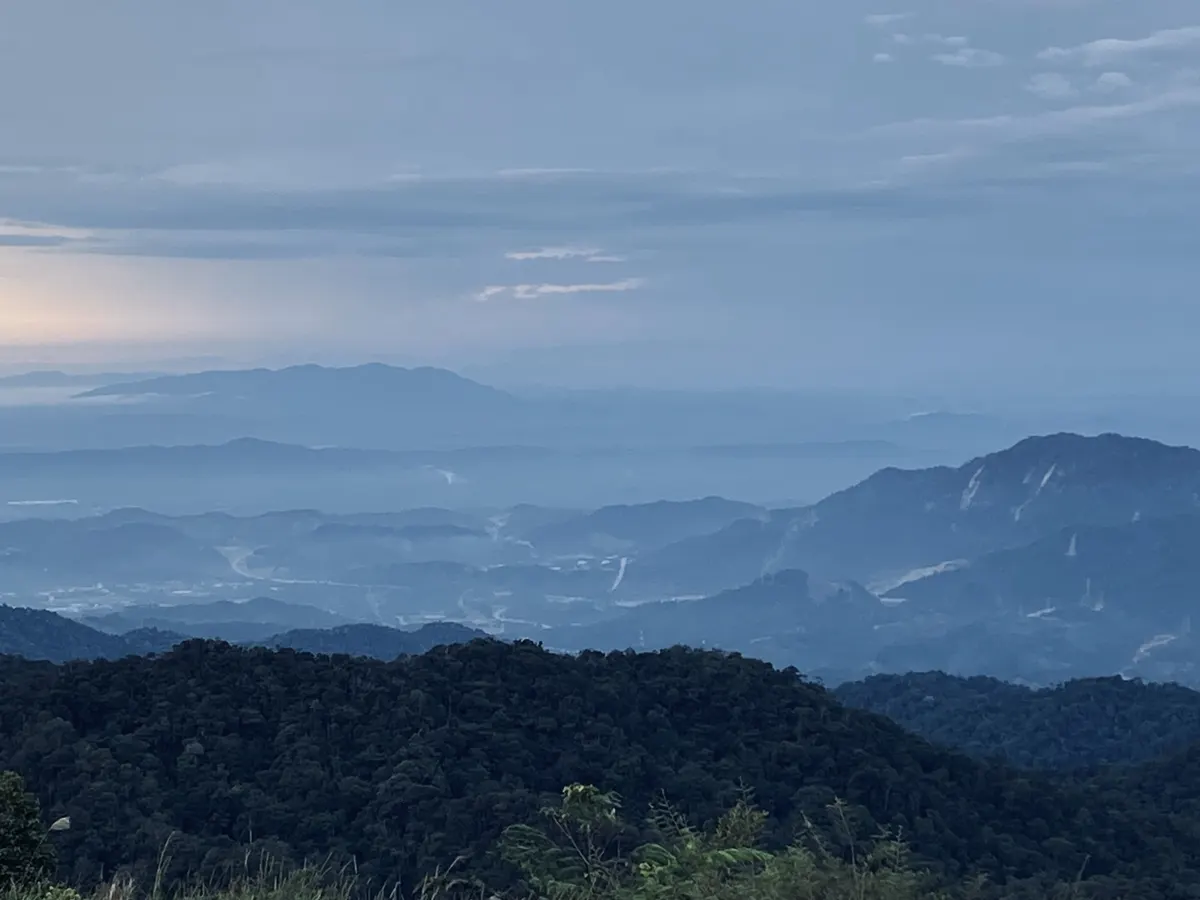
Mist, rain and outdoor attractions
Clouds and mist can reduce mountain views, including those experienced during cable-car rides.
Rain may also affect certain outdoor entertainment experiences.
For that reason, travelers whose primary goal is panoramic mountain scenery should consider keeping their schedule flexible.
If the weather changes, indoor entertainment and dining provide alternative activities.
Our Genting Highlands travel guide covers the cable car, major attractions, accommodation options and travel from Kuala Lumpur.
7. Best Time to Visit Cameron Highlands
Cameron Highlands is associated with tea-growing landscapes, gardens, agricultural experiences and a cooler highland setting.
Unlike a beach holiday, a visit here does not depend on calm seas or clear water.
Visitors can plan tea-estate viewpoints, market visits and scenic countryside stops while allowing for rain or mist.
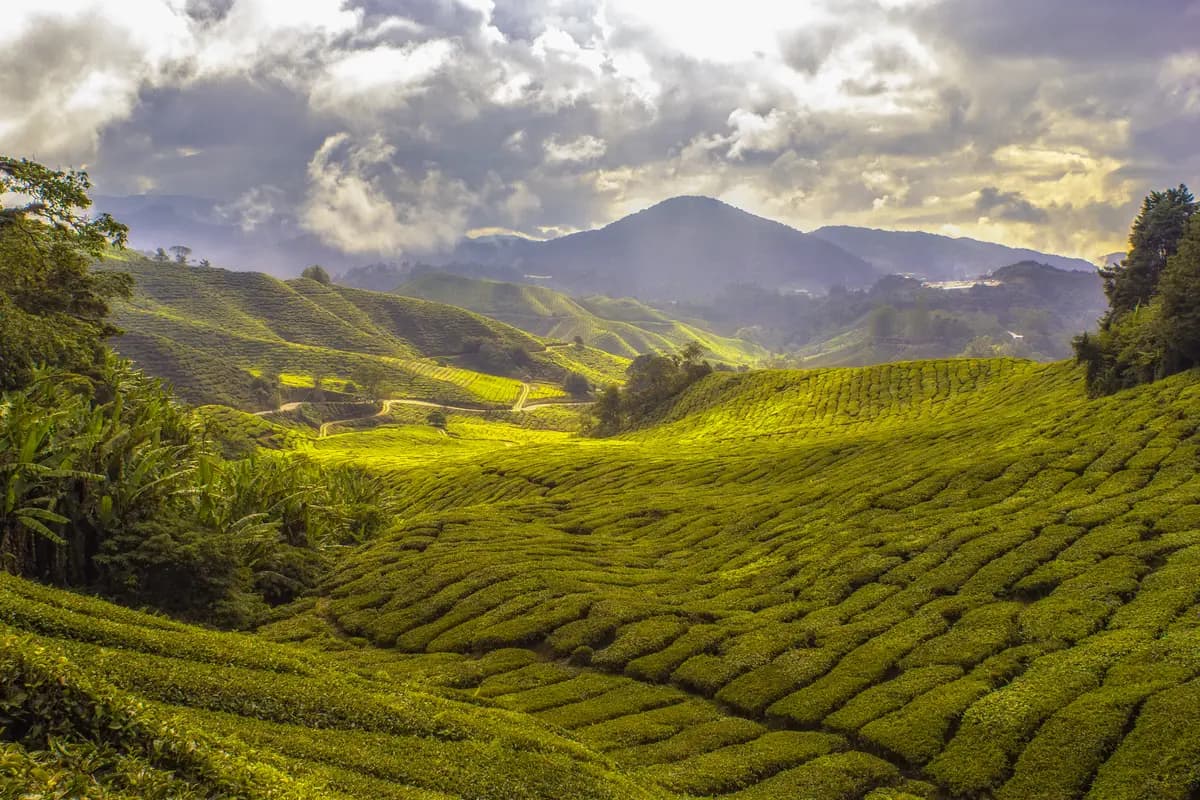
Road conditions deserve particular attention during heavy rainfall.
Mountain travel may be slower than expected, so avoid planning an unusually tight itinerary when arriving from another destination.
Pack a light extra layer for cooler periods, and choose footwear suitable for wet walkways and uneven outdoor surfaces.
8. When to Visit Sabah and Sarawak
Malaysian Borneo offers a wide range of travel experiences, from city breaks and cultural attractions to rainforest excursions and mountain activities.
However, it is misleading to describe all of Sabah and Sarawak as having one identical travel season.
Rainfall patterns vary by location, elevation and exposure to seasonal winds.
A coastal visit, a rainforest lodge stay and a mountain excursion may require different preparation even during the same month.
Planning nature-based activities
If your itinerary includes trekking, boat travel, wildlife excursions or mountain activities, look beyond general monthly averages.
Confirm local operator availability and any seasonal safety considerations.
For outdoor adventures, allow flexibility if weather conditions require a change of plan.
9. Malaysia Weather and Travel Planning by Month
The following is a practical overview rather than a weather forecast. Conditions vary by year and destination.
January
A popular time to consider west-coast destinations such as Langkawi and Penang. The Northeast Monsoon may still strongly affect parts of the east coast.
February
Often attractive for west-coast sightseeing and island holidays. Kuala Lumpur remains suitable for city visits, with the usual chance of tropical showers.
March
A transitional period for some destinations. Travelers considering east-coast islands should check when seasonal accommodation and transport services reopen.
April
A useful month to consider for mixed city and island travel. Inter-monsoon thunderstorms may occur, so keep outdoor plans flexible.
May
East-coast marine destinations become attractive to many visitors, subject to local operating conditions. Expect warm weather and possible showers.
June
A commonly favored period for east-coast island excursions. Kuala Lumpur and other city destinations remain accessible throughout the year.
July
A good month to investigate snorkeling and island itineraries on the east coast, with advance booking advisable during busy travel periods.
August
Still appealing for many east-coast marine activities. Book popular accommodation early and monitor local weather, especially for boat-based excursions.
September
A transitional month in parts of Malaysia. Some east-coast trips remain possible, but travelers should watch changing sea and rainfall conditions.
October
Inter-monsoon weather and stronger showers may affect travel plans. Travelers considering east-coast island holidays should check service availability carefully.
November
The Northeast Monsoon becomes a major consideration for east-coast destinations. West-coast options may be more practical for visitors seeking beach experiences.
December
Langkawi and Penang are attractive options for many travelers. Christmas and year-end holiday demand can increase pressure on accommodation and transport.
10. Best Time to Visit Malaysia for Different Types of Holidays
For beach holidays
Choose the coast according to the season. West-coast beach destinations are especially appealing around the beginning and end of the year, while east-coast islands are generally better suited to the middle months.
For city sightseeing
Kuala Lumpur and Penang offer considerable year-round flexibility. Plan outdoor excursions in shorter blocks and keep indoor alternatives ready.
For families
Consider school holidays, theme-park operations, travel time and crowd levels alongside weather. Genting Highlands and Kuala Lumpur provide a mix of indoor and outdoor attractions.
For photography
Clouds, rain and mist can create striking scenery, but they can also obscure viewpoints. Allow multiple opportunities for important landscape photographs rather than depending on a single morning.
For a first visit to Malaysia
If you want a straightforward combination of city sightseeing and a beach escape, Kuala Lumpur with Penang or Langkawi can be a practical itinerary during a suitable west-coast travel period.
11. What to Pack for Malaysia’s Weather
A sensible packing list includes lightweight clothes, comfortable walking shoes, a compact umbrella and protection for electronics during sudden rain.
- For beaches and islands, add suitable sun protection and any activity-specific equipment recommended by your operator.
- For highlands, a light jacket and footwear with reliable grip can be useful.
- Keep important travel documents in a secure, water-resistant place.
You should also check your travel insurance conditions and any disruption policies for weather-sensitive activities.
12. Prepare Your Travel Documents Before Departure
Choosing the right month is only one part of planning a trip to Malaysia.
Before departure, verify your passport validity, visa requirements and any applicable Malaysia Digital Arrival Card requirements.
These requirements vary according to the traveler’s nationality, immigration status and purpose of travel.
A Malaysia eVisa and the MDAC are different processes; one does not automatically replace the other.
Travelers using an advance MDAC application service can provide their information before travel, while official submission to Malaysia Immigration must follow the applicable submission window.
Our Malaysia travel checklist explains passport preparation, eVisa documentation, accommodation details, flights and arrival planning in more detail.
Frequently Asked Questions
What is the best month to visit Malaysia?
There is no single best month nationwide. The answer depends on whether you plan to visit cities, west-coast beaches, east-coast islands or Malaysian Borneo.
Is December a good time to visit Malaysia?
December can be appealing for Langkawi and Penang, but it is part of the Northeast Monsoon period that can bring heavy rainfall to the east coast.
Can I visit Kuala Lumpur during the rainy season?
Yes. Kuala Lumpur offers indoor and outdoor attractions throughout the year. Prepare for showers and adjust your sightseeing schedule when needed.
When is the best time to visit Langkawi?
December through February are often attractive for relatively favorable west-coast weather, although conditions vary from year to year.
When should I visit the Perhentian Islands?
Many visitors consider April through September, subject to the availability of resorts, boats and weather-dependent activities.
Is Genting Highlands open throughout the year?
Genting Highlands is a year-round destination, but individual attractions may have maintenance closures, changing schedules or weather-related interruptions.
Does it rain every day in Malaysia?
Not necessarily. Rainfall varies between destinations and seasons, and even rainy periods can include sunny intervals.
Is Malaysia too hot for a holiday?
Malaysia has a tropical climate. Travelers who dislike heat may prefer shorter outdoor sightseeing sessions or cooler highland destinations.
Should I book east-coast islands during the monsoon?
Check operating conditions carefully. Heavy rain and rough seas can affect boat access and resort services, and some operators close seasonally.
Do I need to check visa requirements before booking my trip?
Yes. Check the visa and entry conditions relevant to your passport nationality and purpose of travel before making commitments that are difficult to change.
Final Thoughts: Choose the Right Destination for Your Dates
The best way to enjoy Malaysia is not to wait for a perfect nationwide weather forecast. It is to match your travel dates with the destinations that suit the season.
Choose the west coast when its conditions are more favorable, consider east-coast islands during their principal visiting season, and remember that cities and highland destinations offer useful flexibility.
With realistic expectations, suitable clothing and a flexible itinerary, Malaysia can be a rewarding destination in every season.
Explore our Kuala Lumpur and Genting Highlands travel guides, browse the Malaysia destinations directory, and use our travel checklist to prepare your essential documents before departure.