

Documents & Preparation
Malaysia Visa for Indian Citizens: New Entry Rules From January 2027
26 min read
Indian passport holders planning a visit to Malaysia should pay close attention to an important change in entry requirements. The existing visa exemption for Indian nationals is scheduled to end on December 31, 2026, with a new requirement taking effect on January 1, 2027. There is also an earlier date that travelers should understand: December 1, 2026. According to the November 17, 2026 announcement, visa applications may begin from December 1, allowing eligible Indian travelers to prepare ahead of the January changeover. That means the date when applications open and the date when the new requirement becomes effective are different. For someone planning a holiday, visiting relatives, or arranging another permitted short-term journey, understanding this distinction is essential. This guide explains the announced timeline, how travel dates may affect preparation, why the relevant travel purpose matters, and what Indian passport holders should review before traveling.
Malaysia Visa for Indian Citizens: Key Dates at a Glance
Three dates define the announced transition:
- December 1, 2026: The announced opening date for advance visa applications by Indian nationals.
- December 31, 2026: The last day of the currently published visa-exemption period.
- January 1, 2027: The date when the new visa requirement is scheduled to take effect.
The existing exemption remains relevant for qualifying travel before the changeover. Travelers planning entry from January 1, 2027 should prepare for the new requirement rather than assuming the earlier exemption continues.
Starting an application in December does not mean the January rule is already in force during December.
Equally, traveling in January does not mean you should wait until January to begin preparation.
The central message is simple: applications may begin earlier, while the new entry requirement starts later.
1. What Is Changing for Indian Passport Holders?
Malaysia's published nationality guidance currently provides a time-limited exemption for eligible Indian nationals visiting for permitted purposes.
That exemption has an end date.

From January 1, 2027, the newly announced requirement means Indian travelers should plan to obtain an appropriate visa before arriving, subject to the rules applicable to their individual travel circumstances.
For tourists who previously relied on the temporary exemption, this is an important planning change.
A trip that once required fewer advance arrangements may now involve a separate visa preparation stage.
Travelers should therefore review their intended arrival date as early as possible.
The change is particularly relevant for those making plans several months ahead, purchasing nonrefundable travel arrangements or coordinating journeys involving multiple family members.
It is also relevant to Indian passport holders living outside India.
The passport nationality used for travel remains a central part of determining the applicable entry requirements.
However, nationality is not the only consideration. The traveler's purpose, individual circumstances and any other applicable permission may also matter.
For personalized starting information, visitors can review our Malaysia visa-by-nationality resources.
2. Why December 1 and January 1 Must Not Be Confused
The announcement includes two different stages.
The first is the opening of applications.
The second is the effective date of the new entry requirement.
On December 1, 2026, eligible Indian travelers are scheduled to be able to begin submitting applications in preparation for upcoming travel.
This provides a period before January 1 when travelers can organize their arrangements.
It does not automatically mean every person entering Malaysia during December must obtain a new visa.
The existing exemption continues through December 31 for travelers who satisfy its applicable conditions.
From January 1, 2027, the announced requirement changes the position for affected travelers.
This distinction is particularly important when reading travel advice written before the announcement.
An article saying Indian nationals are exempt may describe the earlier period accurately but fail to explain the approaching change.
Similarly, an article stating that every Indian visitor already needs a visa before January 1, 2027 would misrepresent the announced effective date.
Travelers should always consider the date of their intended entry rather than relying on a statement with no date attached.
3. Can Indian Citizens Apply in December 2026?
The November 17 announcement says applications may begin on December 1, 2026.
That earlier opening date is intended to allow application activity before the January change takes effect.
An Indian passport holder planning travel after the new rule begins should therefore not automatically assume that application preparation must wait until the arrival month.
However, application opening alone does not establish every condition of eligibility.
Travelers should still check which category corresponds to their intended visit and which supporting documents are applicable.
They should also distinguish between the announced availability of the application process and the availability of a particular private application service.
Not every website offering visa-related information necessarily accepts every nationality or category.
Our website provides informational resources for Malaysia travel preparation. Availability of any India-specific paid application service should not be assumed unless it is expressly confirmed.
If your intended trip is approaching, review your travel plans and the requirements relevant to your own situation rather than relying on a general promise of acceptance or approval.
4. Traveling Before January 1, 2027
Indian passport holders entering Malaysia before January 1 should consider the conditions of the existing exemption.
Our website's nationality guidance identifies the exemption as available through December 31, 2026 for applicable tourism and business visits.

This does not remove the need to satisfy other applicable entry conditions.
Travelers must still ensure that their passport is suitable for international travel and that they meet the requirements relevant to their journey.
The Malaysia Digital Arrival Card may also apply independently of whether a tourist visa is needed.
For example, an eligible visitor traveling during December may not require a tourist visa under the time-limited exemption but may still need to complete the relevant arrival-card process.
A visa exemption should never be confused with permission to ignore all other travel requirements.
Also, do not assume the exemption covers every possible activity.
Employment, long-term study, dependent arrangements and other purposes can involve separate conditions.
Anyone intending to undertake activities beyond an ordinary permitted short visit should review the appropriate category rather than choosing a tourist explanation for convenience.
5. Traveling From January 1, 2027
For Indian nationals planning to enter Malaysia from January 1, 2027, the announcement introduces a new visa requirement.
This makes advance preparation especially important.
A traveler who booked flights several months earlier should revisit the entry requirements before departure.
The relevant conditions may be different from those that applied when the booking was first made.
A January visitor should not rely solely on an older statement about visa-free travel for Indian passport holders.
Instead, the visitor should review the updated information applicable to the planned arrival date.
If a visa is required, the traveler should complete the appropriate process and obtain the necessary outcome before traveling.
Submitting an application is not the same as receiving approval.
Neither a completed form nor proof of payment by itself guarantees that the traveler has the permission required for entry.
The safest approach is to allow adequate preparation time without assuming a particular processing duration or guaranteed outcome.
6. How Your Intended Arrival Date Affects Preparation
The practical difference between a December trip and a January trip can be significant.
Begin by identifying your actual planned entry date.

Then consider whether your journey includes connections, a change of destination, or a possible adjustment to your flight schedule.
For ordinary travel planning, the date that matters is not simply when you purchase your ticket.
It is when you intend to arrive and enter Malaysia.
Someone booking travel in November for a January holiday should plan according to January conditions.
Someone arranging a qualifying December visit should not automatically assume the January requirement is already in force.
This may sound straightforward, but confusion can arise when travelers read a headline without considering its effective date.
Keep the relevant dates visible in your travel notes.
If you are coordinating travel for several people, confirm that everyone's itinerary reflects the same intended entry period.
For travelers whose plans could change, build some flexibility into accommodation and transportation arrangements.
7. What If Your Travel Dates Change?
Travel plans sometimes change after flights and accommodation have been reserved.
A holiday originally planned for December may be postponed until January.
A family member may arrive on a different date from the rest of the group.
An airline change may affect the expected arrival schedule.
If the revised entry date falls into a different requirements period, the traveler should reassess the applicable visa situation.
Do not assume that a previous eligibility result remains valid after a material date change.
Likewise, do not assume that a document prepared for one journey can be reused without checking its details.
Review the itinerary, passport information, accommodation arrangements and any application-related records.
If a submitted application contains information that no longer matches the intended journey, follow the applicable correction procedure rather than silently relying on outdated details.
A flexible booking policy may reduce financial inconvenience, but it does not replace immigration compliance.
It is better to identify a problem when changing travel plans than when preparing to board a flight.
8. Who Should Pay Particular Attention to the Change?
The announced transition is especially relevant to Indian passport holders arranging travel that begins in January 2027 or later.
This includes tourists planning a holiday, visitors arranging a short permitted business-related journey, and travelers visiting family or friends where the applicable entry category requires advance permission.
It also matters to travelers residing in countries other than India.
A person's country of residence does not automatically replace the nationality shown in the passport.
Families should check every traveler individually.
Children may have their own passport and documentation requirements, and their circumstances should not be treated as automatically covered by an accompanying adult.
Travelers with more complex arrangements should take additional care.
For example, someone intending to work, study, join a dependent, or remain for a long period should not assume that information about a short tourist visit applies to that purpose.
The announcement is a reason to review the correct category carefully, not a reason to select an unsuitable one.
9. Tourism, Business and Other Travel Purposes
One of the most important steps in preparing for Malaysia is identifying the actual purpose of travel.
A holiday involving sightseeing and leisure activities is different from a journey involving employment or formal study.

Business visitors may also have circumstances that differ from ordinary tourism.
Our current nationality information describes the time-limited Indian exemption for applicable tourism and business travel.
However, that description should not be treated as a complete list of all future application categories.
The November announcement establishes the relevant changeover dates but does not, by itself, confirm every visa classification or document requirement for the new period.
Do not choose a category merely because it sounds familiar.
Instead, examine what you genuinely intend to do in Malaysia.
If the trip combines more than one purpose, seek clarification through the appropriate process before submitting information.
The goal is to ensure your travel plans and the category you select are consistent.
10. Indian Passport Holders Living Outside India
Indian nationals may be planning to travel to Malaysia from locations around the world.
Some may reside in India, while others may live in the United States, Singapore, the United Kingdom, the Middle East or elsewhere.
The place where the flight begins is not necessarily the same as the nationality used to assess visa eligibility.
Travelers should therefore make sure that any online nationality checker reflects their actual passport.
They should also review whether their residence arrangements affect supporting documents for their particular circumstances.
Do not assume that a residence card issued by another country automatically creates a Malaysia visa exemption.
Equally, do not assume that every Indian passport holder living overseas must follow identical supporting-document procedures.
Personal circumstances can differ.
Our Malaysia visa-by-nationality information is a useful starting point, but it should not be treated as a substitute for selecting the correct travel category and checking the information relevant to the individual applicant.
11. Why Early Preparation Matters
The period between the announced December application opening and the January effective date gives travelers an opportunity to organize their plans.
That does not mean every application will be completed within a particular number of days.
Instead, early preparation reduces the likelihood of discovering basic problems at the last moment.
Begin by checking the passport.
Make sure the relevant personal information is accurate and that the document is in suitable condition.
Next, review travel dates and the intended purpose of the journey.
Keep any existing flight and accommodation information accessible.
If a visa application is appropriate, find out which documents apply to the relevant category before submitting information.
Finally, consider whether everyone in your travel group needs separate preparation.
A family of four may share the same holiday itinerary but still require individual identity information and traveler-specific checks.
Organizing these details early is practical even if you have not yet selected an application service.
12. Build a Reliable Personal Travel Record
It is useful to keep a simple record of your travel information.
This does not need to be complicated.
The purpose is to reduce mistakes when entering the same information in different places.
Start with the exact name and passport number shown in your travel document.
Record the passport expiry date carefully.
Keep your expected arrival and departure dates in a consistent format.
Note the address and contact details of your intended accommodation where relevant.
If you have multiple bookings, keep the confirmations together.
For family travel, maintain a separate record for each person instead of copying one traveler's identity details into another person's form.
If an important detail changes, update your record.
A consistent set of personal information makes reviewing forms easier and helps avoid errors caused by relying on memory.
Keep sensitive documents securely stored, and avoid sharing passport images or personal details through unnecessary public channels.
13. Passport Accuracy Before Any Application
Passport accuracy deserves particular attention when preparing international travel documents.
A small error in a passport number or name can create significant confusion.
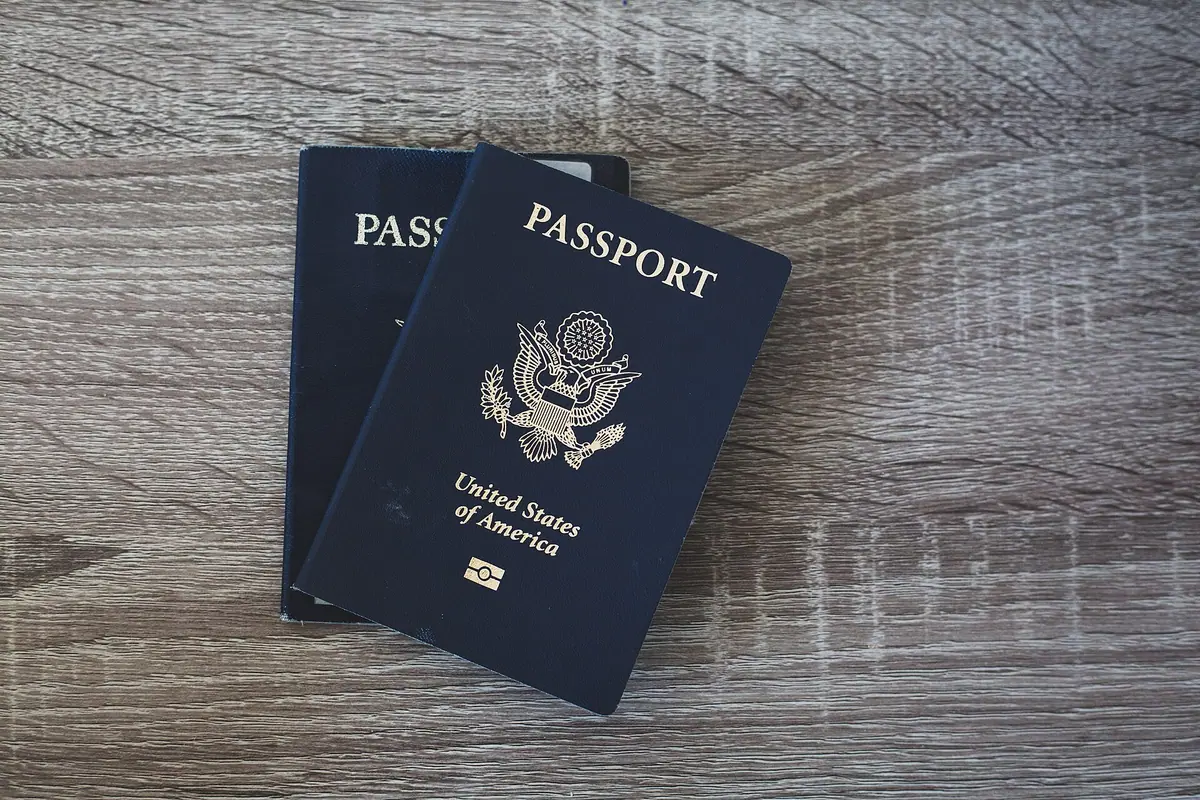
When entering information, refer directly to the passport rather than typing from an old travel reservation.
Check whether the application asks for the complete given name, family name or another particular field.
Do not guess how a name should be divided.
The passport is the starting point for matching identity information.
Also examine the quality of any passport image you may be asked to provide.
It should be clear, readable and complete, without important information hidden by shadows, reflections or cropped edges.
Do not alter passport information in an attempt to improve its appearance.
If the document is damaged or the information is inaccurate, address that underlying problem rather than trying to conceal it in an upload.
Our existing documents information page offers general preparation guidance.
India-specific supporting-document requirements should be confirmed separately before any submission.
14. Understand the Difference Between Preparation and Approval
There are several distinct stages in any visa-related journey.
A traveler may first research whether permission is needed.
The next stage may involve gathering personal details and supporting material.
After that comes submission through an applicable process.
A submitted application may then require review before an outcome is issued.
These stages should not be confused.
Preparing documents does not mean an application has been submitted.
Submitting an application does not mean it has been approved.
Receiving a payment confirmation does not necessarily mean permission to travel has been granted.
Similarly, an announced application-opening date does not guarantee that a particular traveler is eligible for every category.
Indian passport holders preparing for 2027 should keep these distinctions in mind.
It is sensible to organize travel information early, but it is equally important to understand which stage has actually been completed.
Avoid making assumptions based on the appearance of a confirmation screen or the fact that a form has been filled out.
15. Visa Requirements and the Malaysia Digital Arrival Card Are Separate
The Malaysia Digital Arrival Card, often abbreviated MDAC, is different from a visa.
A traveler may be required to prepare an arrival card even when a tourist visa exemption applies.

Conversely, holding a visa does not automatically mean that every separate arrival-information requirement has been satisfied.
Our website's current guidance identifies the MDAC as applicable to Indian tourist travelers under the relevant conditions.
This is important both before and after the announced visa-policy change.
The December 2026 exemption should not be interpreted as an exemption from every arrival process.
Travelers can organize their MDAC information before departure, including personal details and relevant travel arrangements.
Customers using our MDAC application service may place their request in advance of travel.
The actual submission timing applicable to the arrival process remains separate from the date when our service accepts an advance request.
For more information about that distinction, read our Malaysia Digital Arrival Card guide.
16. Planning a Family Trip Around the Changeover
Families should give particular attention to trips scheduled near the end of December or the beginning of January.
A shared booking does not mean every traveler has identical documentation needs.

Each family member's passport information should be reviewed separately.
Check the intended entry date for everyone in the group.
If one person is traveling on a different flight or arriving later, do not assume the same exemption period applies to both journeys.
Parents should also consider whether their children's individual circumstances require additional supporting information.
Do not assume that an adult's travel permission automatically covers a child.
Similarly, do not assume that every child has identical arrival-card requirements or exemptions.
Keep a clear record of relevant travel confirmations for each family member.
If the family is planning a holiday around school breaks, allow adequate flexibility for changes in reservations or application arrangements.
Our Malaysia With Kids guide provides practical family-holiday planning ideas, while this article focuses specifically on the announced visa change.
17. Booking Flights and Accommodation Responsibly
Flights and hotels are often reserved before travelers complete every administrative requirement.
However, there are advantages to understanding the entry situation before committing to expensive arrangements.

For Indian passport holders planning January travel, begin by reviewing the new requirement and the announced December application opening.
Consider whether reservations can be adjusted if circumstances change.
Read the cancellation and amendment conditions carefully.
A cheaper nonrefundable booking may not be the best choice if important travel arrangements remain uncertain.
When selecting accommodation, make sure the booking accurately reflects your intended stay.
Keep the hotel's name, location and dates accessible for travel preparation.
If you are visiting relatives or using a different accommodation arrangement, maintain the appropriate contact and address details.
Do not invent reservations or submit misleading booking information.
A consistent and realistic itinerary is preferable to a complicated plan built solely to satisfy a form.
18. Common Mistakes to Avoid During the Transition
The announcement creates opportunities for confusion, especially when older travel guidance remains accessible.
One common mistake is assuming that the exemption has already ended simply because the announcement was issued in November.
Another is assuming that applications cannot begin until January.
Both misunderstand the dates.
A third mistake is relying on an undated statement about Indian visa-free travel without checking whether it applies to the intended entry period.
Travelers should also avoid assuming that every application service supports the new Indian pathway.
An application provider's general Malaysia eVisa information does not automatically establish that it accepts every nationality.
Other mistakes include entering incorrect passport details, overlooking the MDAC, choosing a travel category inconsistent with the intended activities, and treating an application submission as an approval.
The most useful response is not to rush.
Check the dates, review your personal circumstances and prepare the correct information carefully.
19. What Our MalaysiaVisa Website Can Help You Understand
Our website provides information about Malaysia travel preparation, eligibility questions, documents, visa categories and the Malaysia Digital Arrival Card.
Indian passport holders can use these resources to understand the difference between a visa requirement and a separate arrival-card process.
The nationality information pages help explain how passport nationality relates to entry conditions.
The documents section provides general guidance on preparing clear, accurate travel information.
The Malaysia eVisa information page explains the broader application subject.
The MDAC page describes the arrival-card process and the distinction between advance service requests and the relevant submission timing.
Our blog also includes a travel checklist, destination guides and practical planning articles.
These resources should be used for their intended purpose.
They do not imply that a new India-specific paid application pathway has already been activated.
Until the availability of that pathway is expressly confirmed, travelers should treat the India-related guidance as informational.
20. A Practical Planning Sequence for Indian Travelers
A useful approach is to organize your journey in stages.
First, confirm the passport nationality and the date you intend to enter Malaysia.

Second, identify whether your trip falls before or after the announced January 1 change.
Third, check the purpose of the visit and whether the ordinary short-visit rules are appropriate for your circumstances.
Fourth, organize passport information and any available travel arrangements.
Fifth, review which application requirements apply to your situation once the relevant process becomes available.
Sixth, distinguish application submission from the outcome of that application.
Seventh, check the Malaysia Digital Arrival Card requirements separately.
Eighth, review flights, accommodation and other travel details again before departure.
These stages are intended as general preparation guidance rather than a substitute for an individual's applicable requirements.
Not every traveler will complete the same steps in the same order.
The essential point is to avoid relying on the old exemption for a future trip without considering the new effective date.
21. Different Travel Scenarios Explained
Scenario A: A holiday planned for November 2026
An eligible Indian tourist entering during November, or at any other time before January 1, 2027, is still within the previously published exemption period.
The traveler should nevertheless review the applicable entry conditions and any separate arrival-card requirement.
The future January change does not mean the December 31 expiry date has already passed.
Scenario B: A trip planned for December 2026
An eligible visitor arriving in December is still within the currently announced exemption period.
The December 1 application opening is a preparation opportunity for future travel; it is not the date when the new entry requirement starts.
Scenario C: A holiday beginning in January 2027
An Indian traveler planning to arrive from January 1 should prepare for the new visa requirement.
The announced December opening provides an opportunity to begin the appropriate application process earlier, subject to the applicable conditions.
Scenario D: Travel dates are not yet confirmed
A traveler comparing December and January departures should consider the effect of the date change before making nonrefundable arrangements.
The correct preparation depends on the actual intended entry period.
Scenario E: A family arriving on different days
Family members should assess their entry dates individually.
A group booking or family relationship does not automatically remove the need for traveler-specific information.
Scenario F: A visitor planning employment or long-term study
The ordinary tourist exemption and the new short-visit discussion should not be treated as instructions for employment or long-term study.
The traveler should identify the relevant category separately.
22. How to Read Changing Travel Information
Travel requirements can change, and the date when information was written matters.
A guide published during an exemption period may remain useful for historical context but no longer describe the situation for later travel.
When reading a visa-related article, look for a clear effective date.
Ask whether the information refers to present travel, advance applications or a future change.
Notice whether the article distinguishes passport nationality from residence status.
Be cautious about promises that everyone qualifies for the same process.
Look for explanations of what is confirmed and what still depends on individual circumstances.
The most reliable preparation comes from using information that is specific enough to match the intended trip.
For the Indian policy transition, that means keeping December 1, December 31 and January 1 in their proper roles.
Do not rely on a statement merely because it is repeated across several online pages.
A clear timeline is more useful than an alarming headline.
Frequently Asked Questions
When does the new Malaysia visa requirement for Indian nationals begin?
The announced effective date is January 1, 2027. The existing visa-exemption period is scheduled to end on December 31, 2026. Travelers should review the requirements that correspond to their intended date of entry.
Can Indian passport holders begin applying in December 2026?
The November 17 announcement states that visa applications may begin on December 1, 2026. This allows advance preparation before the new January requirement takes effect, subject to the applicable application conditions.
Does the December 1 opening mean the existing exemption ends immediately?
No. December 1 is the announced application-opening date. The exemption is scheduled to continue through December 31, 2026 for travelers who satisfy its applicable conditions.
Do Indian tourists arriving before January 1, 2027 already need the new visa?
The announced January change is not effective before January 1, 2027. Eligible short-term visitors should assess their trip under the conditions applicable during the existing exemption period, which is scheduled to end on December 31, 2026.
What should an Indian traveler planning a January holiday do?
Review the new requirement, check the intended travel category and prepare accurate passport and journey information. The announced December opening gives travelers an opportunity to begin the applicable process ahead of January travel.
Does an Indian passport holder living overseas follow the same rules?
Passport nationality remains important, but individual residence arrangements and travel circumstances may affect supporting information. Do not assume that residing outside India automatically removes the need to review Malaysia's applicable entry conditions.
Can a visa application be submitted without having travel plans?
This guide cannot say that an application can be submitted without travel plans, because it does not confirm the requirements of any particular category. Check the requirements for your own category before you submit, and have your intended entry period, passport information and travel details ready. If your dates are still uncertain, review the entry requirements for each date you are considering rather than assuming one answer fits all of them.
Is a Malaysia eVisa the same as the MDAC?
No. A visa and the Malaysia Digital Arrival Card are separate processes. A traveler may need to satisfy both, depending on their circumstances and the applicable rules.
Does the visa announcement automatically change the MDAC process?
The announced visa transition does not by itself establish a replacement for the MDAC. Indian travelers should continue reviewing arrival-card requirements separately from their visa situation.
Does an application submission guarantee approval?
No. Preparing and submitting an application are different from receiving an approved outcome. Travelers should not treat a submitted form or payment record as proof that all entry conditions have been satisfied.
Can an Indian family use one application for everyone?
Do not assume that a family booking creates a single immigration permission covering all travelers. Each person's passport, applicable category and supporting information must be checked according to the relevant process.
Can I apply through the MalaysiaVisa website from December 1?
The announced December 1 date concerns the availability of the applicable visa application process. It does not by itself confirm that our own paid application service accepts Indian tourist applications from that date. Check our current service availability before relying on a specific application route.
What happens if I change my flight from December to January?
A change of entry date can change which requirements apply. Review your updated itinerary against the announced January 1 effective date, and check whether any related travel or application information needs correction.
Where can I read more about preparing for Malaysia?
Our Malaysia Visa by Nationality, Malaysia eVisa, Documents, Digital Arrival Card and Malaysia Travel Checklist pages provide further information about travel preparation. Use the resources relevant to your circumstances rather than assuming every guide describes the same travel category.
Final Thoughts: Prepare for the Change Without Confusing the Dates
The announced Malaysia visa change for Indian nationals is an important development for travelers planning visits in 2027.
The timeline is straightforward when each date is understood separately.
December 1, 2026 is the announced opening for advance applications. December 31 is the final day of the existing exemption period. January 1, 2027 is when the new requirement is scheduled to take effect.
Indian passport holders planning travel after the change should begin preparing appropriate information early, while remembering that individual conditions still matter.
For travel before the changeover, the existing exemption remains relevant to qualifying visitors.
For all travelers, passport accuracy, an appropriate purpose of visit, separate MDAC preparation and realistic travel arrangements remain important.
Explore our Malaysia Visa by Nationality information, Documents guide, Malaysia Digital Arrival Card page and Malaysia Travel Checklist for additional planning support.