
Why Malaysia Is One of Asia's Must-Visit Destinations in 2026
Discover why Malaysia is Asia's best-kept secret. Culturally diverse, incredibly affordable, exceptionally safe, and offering unbeatable value compared to Thailand, Vietnam, and Indonesia.
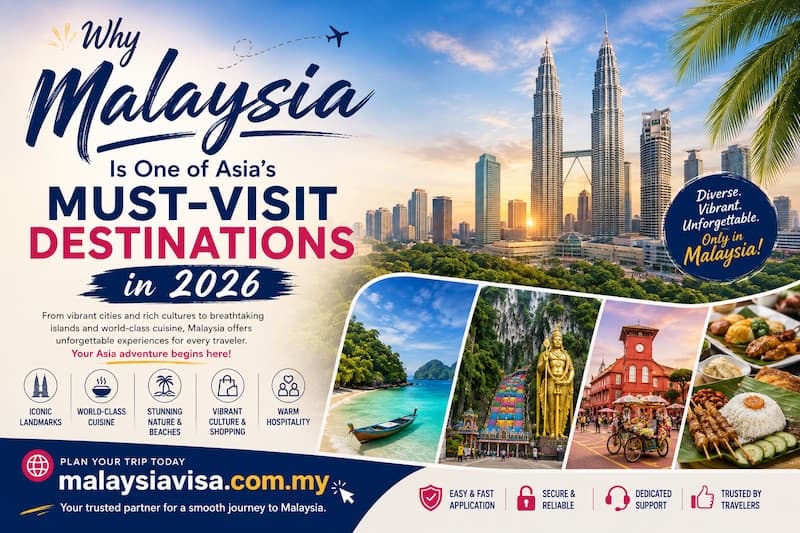
Malaysia's greatest strength lies in its extraordinary cultural diversity. Unlike many Asian destinations dominated by a single culture, Malaysia is a genuine multicultural nation where Malay, Chinese, and Indian civilizations coexist, intermarry, and create shared traditions. This isn't diversity in theory—it's visible in daily life. Walk through a Malaysian neighborhood and you'll find a Buddhist temple next to a mosque next to a Hindu shrine next to a Christian church. For travelers, this cultural richness means experiencing multiple Asian civilizations in one destination. Compare this to Thailand (predominantly Buddhist), Vietnam (predominantly Buddhist), or Indonesia (predominantly Islamic). Malaysia's multicultural fabric offers genuine, everyday cultural pluralism rather than cultural tourism focused on a single civilization.
Malaysia offers some of Asia's best value for money in 2026. While Thailand has seen dramatic price inflation and Vietnam is catching up, Malaysia remains refreshingly affordable without feeling like a budget destination. Accommodation: Budget hostels cost RM25-35/night, mid-range hotels RM80-150/night, 4-star accommodations RM200-400/night. Food: Hawker center meals cost RM4-8 (USD 1-2). Transportation: MRT rides cost RM1.70-9. Attractions: Petronas Twin Towers RM80, Batu Caves free, national parks RM5-30. A comfortable budget traveler can visit for USD 30-40/day. Mid-range travelers spend USD 60-100/day. Luxury travelers enjoy 4-5 star experiences for USD 150-200/day—significantly less than equivalent experiences in Singapore or Japan.
Malaysia's location near the equator provides tropical appeal without seasonal challenges affecting other popular destinations. While monsoon seasons occur, Malaysia's geography means most remains visitable year-round. Thailand experiences extreme heat and monsoon flooding April-October. Vietnam's northern regions suffer cold, rainy winters with typhoon seasons. Indonesia's islands experience monsoon-driven flooding June-September. Malaysia's weather, while hot and humid year-round, remains relatively stable. Geographically, Malaysia is compact. Kuala Lumpur to Penang: 4-hour flight. KL to East Coast: 3-4 hour drive. This compactness means travelers see multiple regions without losing days to transportation, with modern highways, frequent buses, well-maintained rail networks, and multiple airports enabling easy independent travel.
Malaysia offers Asia's most diverse natural landscapes. Within a small area, travelers access beaches, rainforests, limestone caves, highlands, and marine environments. Beaches: Penang offers urban beaches combined with historic Georgetown. Langkawi provides resort-style experiences. Tioman and Perhentian Islands deliver tropical island experiences rivaling Thailand with fewer crowds and lower prices. Rainforests: Malaysian rainforests, among Earth's oldest (130 million years), offer jungle trekking and wildlife viewing in Taman Negara. Limestone formations: Beyond Batu Caves, dramatic limestone landscapes include Mulu Caves (world's largest cave chambers) and Kek Lok Si Temple on limestone cliffs. Highlands: Cameron Highlands offer tea plantations and temperate-climate hiking. Marine life: Sipadan Island ranks among Asia's best diving destinations with healthy coral reefs and abundant marine life.
Malaysia combines safety and modern infrastructure, ranking as one of Asia's safest destinations with reliable transportation and English-language accessibility. Safety: Lower violent crime rates than many developed countries. Tourist areas are exceptionally safe. Police presence is visible and responsive. Healthcare facilities meet international standards. Infrastructure: Modern transportation network with KL Sentral connecting three major systems (MRT, LRT, buses). Efficient airports. Competitively priced, internationally-standard accommodations. English Accessibility: Widely spoken in Kuala Lumpur, Penang, and tourist areas. English sufficiency far exceeds most Asian destinations. Signs feature English translations. Tourist information centers provide English assistance. This combination makes Malaysia ideal for travelers uncomfortable with more chaotic or less developed destinations. You get authentic Asia without extensive planning or risk assessment.
Malaysia's culinary scene ranks among the world's best, offering world-class cuisine at costs making trying numerous restaurants financially accessible. Malaysian cuisine blends Malay, Chinese, Indian, and Portuguese influences. Hawker centers feature 30-50 stalls. Visitors sample 5-10 cuisine styles in one location for USD 10-15. Signature dishes include Laksa (coconut noodle soup), Nasi Lemak (coconut rice), Char Kway Teow (stir-fried noodles), Satay (grilled meat skewers), Roti Canai (flaky flatbread), Tandoori items, and Dim Sum. Pricing: Street food USD 1-3/meal. Hawker centers USD 2-5. Mid-range restaurants USD 5-15/person. Even upscale dining costs less than Thailand or Singapore. Travelers can eat at high-quality establishments multiple times daily trying diverse cuisines without budget anxiety.
Malaysia's greatest advantage is being underrated. While Thailand draws 40+ million annual visitors and Indonesia attracts 16+ million, Malaysia receives approximately 26 million with a smaller percentage as international tourists. Georgetown's UNESCO-listed center is less crowded than Hoi An or Chiang Mai. Penang's beaches are less developed than Phuket or Krabi. Langkawi's resorts cost less than Koh Samui. Taman Negara offers rainforest experiences without Costa Rica's tourist infrastructure or prices. This 'Goldilocks' positioning—developed enough for comfort, underdeveloped enough for authenticity, famous enough to visit easily, underfamous enough to avoid excessive tourism—creates a rare opportunity. Experience Southeast Asian adventure with minimal crowds and reasonable costs.
2026 brings particular advantages for Malaysia visitors. Festival Timing: The Malaysia 2026 events calendar features perfectly-spaced major celebrations throughout the year. Unlike destinations with single dominant festivals, travelers plan visits around multiple culturally significant occasions. Post-Pandemic Recovery: Malaysia's tourism infrastructure fully recovered from disruptions with competitive pricing and eager-to-please services. Visa Accessibility: Entry requirements depend on your nationality, passport and purpose of travel. Some nationalities can enter without a pre-arranged visa for short visits, while others apply for a Malaysia eVisa online before travelling. Check the requirements for your passport before you book. Air Connectivity: Direct flights from major regional hubs make Malaysia accessible without multi-stop itineraries. Kuala Lumpur International Airport connects to 100+ international destinations.
Malaysia accommodates diverse travel preferences: Backpackers: Established trail offers low-cost accommodation, cheap food, accessible attractions. Families: Exceptionally family-friendly with family-catering accommodations, kid-appropriate attractions, safe/reliable transportation, accessible healthcare. Luxury Travelers: Five-star resorts, spa experiences, fine dining, exclusive experiences at lower prices than developed countries. Adventure Travelers: Diving, jungle trekking, climbing, kayaking—accessible and affordable. Cultural Travelers: Museums, temples, festivals, heritage sites for deep immersion. Digital Nomads: Affordable accommodation, reliable internet, co-working spaces, vibrant expat communities. Solo Travelers: Safety, infrastructure, English accessibility, social opportunities make Malaysia ideal for solo exploration.
- Isn't Malaysia more expensive than Southeast Asia? Malaysia pricing is competitive with Thailand and lower than many destinations. Better infrastructure and experiences for comparable pricing.
- Is Malaysia safe for solo travelers? Yes, absolutely. One of Asia's safest destinations with exceptionally welcoming and secure environment for solo travelers.
- How does Malaysia compare to Thailand? Both excellent. Thailand has more beach resorts. Malaysia offers better value, less crowding, greater cultural diversity, underrated natural attractions.
- What's the best time to visit? Visitable year-round with regional variations. December-February: most pleasant nationwide. March-May & September-November: excellent shoulder seasons.
- Can I get a Malaysia visa easily? It depends on your nationality, passport and purpose of travel. Some nationalities can enter without a pre-arranged visa for short visits, while others apply online for a Malaysia eVisa before travelling. Check the requirements for your passport before you book.
- How long should I visit? 7-10 days: Kuala Lumpur + one region. 2-3 weeks: comprehensive multi-region exploration. Compact geography enables efficient travel.
- What language is spoken? Malay is national language. English widely spoken in tourist areas and major cities, far exceeding most Asian destinations.
- Worth visiting with Thailand/Indonesia? Yes. Geographical proximity makes easy inclusion in Southeast Asian itinerary. Cultural diversity and underrated attractions worthwhile.
- How does Malaysia handle tourism sustainably? Moderate tourism levels place less strain on infrastructure and environments compared to overcrowded Thailand or Indonesia.
- What should I pack? Lightweight clothing, sunscreen, rain jacket, comfortable walking shoes, modest clothing for temple visits. Detailed packing in weather guide.
Need a Malaysia eVisa?
Contact us to check whether our visa service is suitable for your passport, travel purpose and application location before applying.
Apply if you need a visaNot sure? Check visa requirements
Related Articles
Complete Kuala Lumpur Travel Guide: Where to Stay, What to See & How to Get Around
Comprehensive Kuala Lumpur travel guide with insider tips on attractions, neighborhoods, food, transportation, and practical information for first-time visitors exploring Malaysia's vibrant capital.
Best Time to Visit Malaysia — Weather, Seasons & Complete Packing Guide
Complete guide to Malaysia's weather patterns by month, monsoon seasons, packing tips, and pricing cycles. Includes month-by-month breakdown, regional variations, and activity recommendations.
Your First Week in Malaysia: Complete Itinerary & Practical Tips for First-Time Visitors
Complete 7-day Malaysia itinerary for first-time visitors covering Kuala Lumpur, Penang, and Cameron Highlands or Langkawi. Includes travel tips, budgets, day-by-day guide, and first-timer mistakes to avoid.
Penang Travel Guide: Georgetown's Heritage, Beaches & Culinary Treasures
Complete Penang travel guide covering Georgetown's UNESCO architecture, beaches, street food, attractions & practical tips. 3-4 day itinerary for first-time visitors.
Malaysia 2026 Festivals and Events Calendar: Key Dates for Trip Planning
A 2026 calendar of Malaysia's major festivals and events, including Chinese New Year, Thaipusam, Hari Raya Aidilfitri, Wesak Day, Hari Raya Aidiladha, Merdeka Day, Malaysia Day, Deepavali and the Formula 1 race at Sepang. Dates follow the official 2026 public holiday schedule and can change.
Complete Guide to Malaysia eVisa Application
Everything you need to know about applying for a Malaysia eVisa. Step-by-step guide, requirements, processing time, and expert tips.