Malaysia 2026 Festivals and Events Calendar: Key Dates for Trip Planning
A 2026 calendar of Malaysia's major festivals and events, including Chinese New Year, Thaipusam, Hari Raya Aidilfitri, Wesak Day, Hari Raya Aidiladha, Merdeka Day, Malaysia Day, Deepavali and the Formula 1 race at Sepang. Dates follow the official 2026 public holiday schedule and can change.
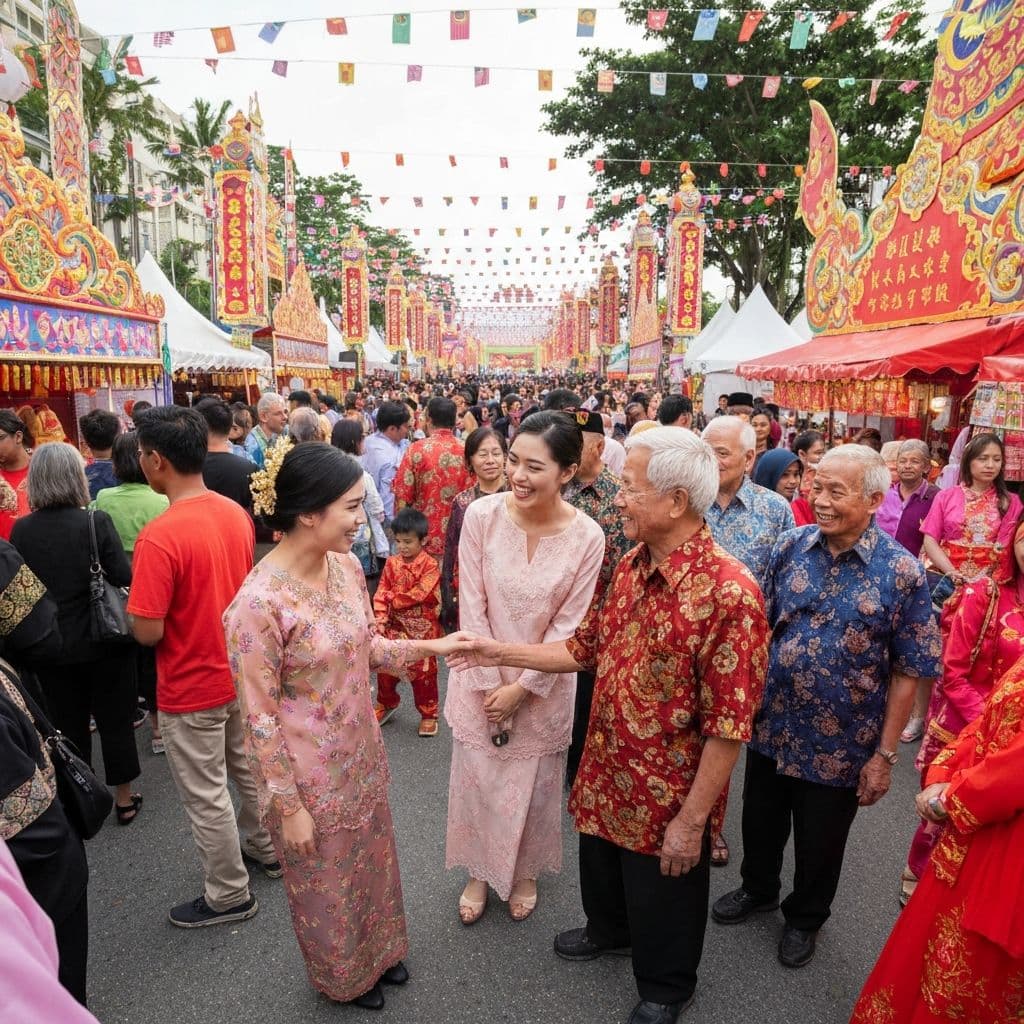
Malaysia's unique strength is its multicultural heritage. While the country's Muslim-majority population celebrates Islamic holidays, Malaysia's significant Chinese, Indian, and indigenous communities mean festivals from multiple traditions happen throughout the year. This cultural richness means you have opportunities to experience genuine celebrations regardless of when you visit. Events reveal Malaysia in ways that regular tourism often misses. During festivals, you'll see locals in traditional dress, taste authentic celebration foods, and experience genuine spiritual significance. Streets transform with decorations, temples glow with thousands of oil lamps, and families gather for meals representing centuries of tradition. For those applying for a Malaysia visa, event planning is strategic. Time your visit to coincide with celebrations that genuinely interest you.
Chinese New Year stands as one of Malaysia's most vibrant celebrations, marking the beginning of a new year according to the lunar calendar. With a significant ethnic Chinese population, Malaysia's festivities rival those in Hong Kong or Singapore. The weeks leading up to Chinese New Year see neighborhoods transforming with red lanterns, lucky symbols, and gold decorations. Families deep-clean homes (symbolically sweeping away bad luck), shop for new clothes, and prepare traditional foods. On main celebration days, expect vibrant dragon and lion dances parading through streets, particularly in Kuala Lumpur's Chinatown and Georgetown's historic streets. These performances aren't merely entertainment—they're believed to bring good luck and prosperity.
Thaipusam falls on 1 February in 2026 and is observed as a holiday in selected states. It is one of Hinduism's most important festivals, marking the birthday of Lord Murugan. For Malaysia's Tamil Hindu community, this is an intensely spiritual occasion. Thaipusam is remarkable for its devotional intensity. The most visually striking aspect involves devotees carrying ornate wooden kavadi structures while piercing their bodies with skewers—an expression of intense devotion and personal sacrifice. Batu Caves in Kuala Lumpur is the most famous location, becoming a pilgrimage site for hundreds of thousands.
Ramadan, Islam's holiest month, begins around 19 February 2026 and lasts about a month. Muslim Malaysians fast from dawn to sunset, spend increased time in prayer, and focus on spiritual reflection. For travelers, Ramadan presents unique opportunities: experience bazaar Ramadan (outdoor food markets), witness the sense of community, and find great deals on accommodations. Hari Raya Aidilfitri (21-22 March 2026, subject to confirmation of the moon sighting) marks Ramadan's end and is one of Malaysia's most important celebrations. Families gather for special meals, children receive gifts in decorative envelopes, and the country transforms with lights, streamers, and traditional dress. It's equivalent to Christmas in Western cultures—intensely family-focused.
While not a traditional festival, Formula 1 was a major event on Malaysia's 2026 calendar. Sepang International Circuit, about 75 kilometers south of Kuala Lumpur, hosted the Formula 1 Gulf Air Bahrain Grand Prix in Malaysia on 2-4 October 2026, with the race on Sunday 4 October. The Malaysia round replaced the Bahrain race and was the first Formula 1 race at Sepang since 2017. The event has now taken place. This article does not cover any future race dates, so check the circuit and the series for new announcements before planning a trip around a race.
Wesak Day celebrates Buddha's birthday according to the lunar calendar. Malaysia's Buddhist population, concentrated in Chinese communities, observes this significant religious holiday with special prayer services, meditation sessions, and cultural activities at temples across the country. The Kek Lok Si Temple in Penang, one of Southeast Asia's most beautiful Buddhist temples with its seven-tiered pagoda illuminated at night and peaceful hilltop location, hosts elaborate Wesak celebrations.
Hari Raya Aidiladha commemorates Prophet Ibrahim's willingness to sacrifice his son in obedience to God—a story central to Islam, Christianity, and Judaism. It marks the completion of the Hajj pilgrimage to Mecca. This celebration is more somber than Hari Raya Aidilfitri, focusing on spiritual reflection and charitable giving. Families gather for special meals, wear new clothing, and the entire country takes on a celebratory atmosphere.
Merdeka Day (August 31) celebrates Malaysia's independence from British rule in 1957. Cities decorate with Malaysian flags, and major cities host parades featuring marching bands, floats, and cultural performances. Kuala Lumpur hosts the most elaborate celebrations. Malaysia Day (September 16) celebrates the formation of Malaysia as a federation in 1963. Like Merdeka Day, it features flags, decorations, and community celebrations, creating a two-week period of national pride and festivity.
Deepavali, the Festival of Lights, celebrates the victory of light over darkness in Hindu mythology. Malaysia's Hindu community, primarily of Tamil descent, celebrates this significant religious festival by illuminating homes and temples with oil lamps (diyas) and electric lights. Families gather for special meals, exchange sweets, and wear new clothing. Tamil neighborhoods in Kuala Lumpur, Penang, and other cities display vibrant celebrations. Little India in Kuala Lumpur transforms into a celebration hub with decorations, crowded streets, and festive energy.
Multi-event strategies for 2026: • February: Thaipusam (1 February), Chinese New Year (17-18 February) and the start of Ramadan (around 19 February) • March: Hari Raya Aidilfitri (21-22 March) • May: Hari Raya Aidiladha (27-28 May) and Wesak Day (31 May) • August/September: Merdeka Day (31 August) and Malaysia Day (16 September) • October: Formula 1 at Sepang (2-4 October, already held) • November: Deepavali (8 November) Dates follow the official 2026 public holiday schedule and can change, particularly Islamic holidays that depend on the moon sighting. For event-based travel, book accommodations weeks or months in advance. Major festivals fill hotels quickly. Consider visiting just before or after major celebrations for cheaper rates and thinner crowds.
- Is it respectful to visit religious festivals? Yes, absolutely. Malaysian culture welcomes respectful observers. Approach with genuine interest, follow local protocols (remove shoes in temples, dress modestly, ask permission to photograph).
- What should I wear to Malaysian festivals? Dress modestly—covering shoulders and knees is appropriate. Many Malaysians wear traditional dress, but you need not wear traditional clothing.
- Which periods have fewer tourists? October (monsoon season) and April-May (post-Easter) see fewer international tourists. This means cheaper accommodations and thinner crowds, though you'll miss festival atmospheres.
- How do I find current event information? Contact Malaysian Tourism Board (Tourism Malaysia), check official state tourism websites, or consult major tourism portals for detailed event dates and ticketing.
- Can I attend religious ceremonies? Generally yes, with respect and permission. Many mosques allow non-Muslim visitors to observe prayer times. Temples and churches typically welcome visitors—ask at the entrance and follow protocols.
- What's the best festival for one week? Chinese New Year or Hari Raya Aidilfitri, combined with exploring a nearby city. Both offer concentrated festival activity and excellent opportunities to experience Malaysian culture.
- Do I need tours or can I explore independently? Most festivals can be experienced independently. Public transportation and taxis access major areas like Chinatown and temples. Organized tours provide context and logistics support.
- Will restaurants be open during holidays? Most remain open, though hours vary. Smaller establishments may close during certain holidays. Shopping malls, chain restaurants, and tourist-area restaurants typically stay open.
Need a Malaysia eVisa?
Contact us to check whether our visa service is suitable for your passport, travel purpose and application location before applying.
Apply if you need a visaNot sure? Check visa requirements
Related Articles
Complete Kuala Lumpur Travel Guide: Where to Stay, What to See & How to Get Around
Comprehensive Kuala Lumpur travel guide with insider tips on attractions, neighborhoods, food, transportation, and practical information for first-time visitors exploring Malaysia's vibrant capital.
Best Time to Visit Malaysia — Weather, Seasons & Complete Packing Guide
Complete guide to Malaysia's weather patterns by month, monsoon seasons, packing tips, and pricing cycles. Includes month-by-month breakdown, regional variations, and activity recommendations.
Your First Week in Malaysia: Complete Itinerary & Practical Tips for First-Time Visitors
Complete 7-day Malaysia itinerary for first-time visitors covering Kuala Lumpur, Penang, and Cameron Highlands or Langkawi. Includes travel tips, budgets, day-by-day guide, and first-timer mistakes to avoid.
Penang Travel Guide: Georgetown's Heritage, Beaches & Culinary Treasures
Complete Penang travel guide covering Georgetown's UNESCO architecture, beaches, street food, attractions & practical tips. 3-4 day itinerary for first-time visitors.