
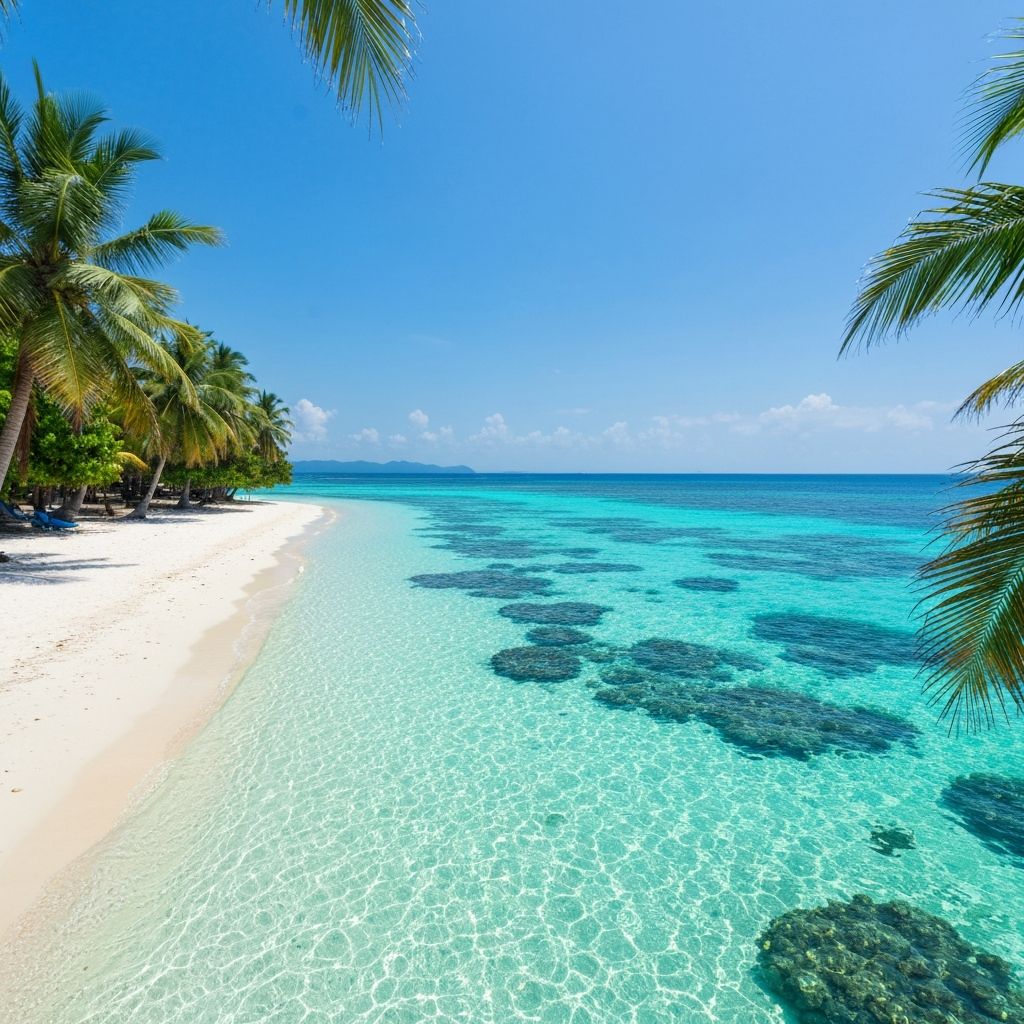
Perhentian Islands
An untouched island sanctuary featuring azure waters, spectacular underwater gardens, and rich marine ecosystems
Location
Off Terengganu coast in the South China Sea
Best Time to Visit
Open March through October, shut during monsoon
Famous For
Underwater exploration, pristine shores, marine turtles
Experience Malaysia's Island Jewels
Nestled roughly 19 kilometers from Peninsular Malaysia's northeast shoreline in Terengganu, the Perhentian archipelago consists of two primary islands: Perhentian Besar (the larger island) and Perhentian Kecil (the smaller counterpart). These magnificent islands sit within the boundaries of Pulau Redang National Marine Park, ensuring the preservation of their underwater treasures and delicate marine environments. The name "Perhentian" stems from the Malay term "henti" which translates to "stop" - a reference to their historical role as resting points for merchant vessels traveling the trade route linking Bangkok with Malaysian ports. In modern times, these islands have transformed into sought-after destinations for those yearning for an authentic tropical escape: silky white sands bordered by swaying coconut palms, brilliant blue waters offering visibility beyond 20 meters, thriving coral formations hosting countless colorful fish, and an unhurried pace largely untouched by commercial tourism. The deliberate absence of motor vehicles and restrained infrastructure development preserves the islands' organic beauty and peaceful character, creating an environment where natural rhythms take precedence over modern conveniences.
Perhentian Kecil - Budget Traveler Haven
Perhentian Kecil has established itself as the preferred destination for backpackers and cost-conscious travelers, featuring basic seaside lodging, energetic beach establishments, and an animated community vibe. Long Beach, known locally as Pasir Panjang, extends for nearly one kilometer with golden shoreline supported by affordable bungalows, dive centers, dining venues, and evening entertainment spots. As daylight fades, this stretch transforms into a hub of activity featuring grilled seafood dinners, fire dancing performances, and social mingling among international visitors. Situated on the eastern flank of the island, Coral Bay presents a somewhat more peaceful alternative while delivering outstanding snorkeling opportunities mere steps from the sand. The shallow underwater gardens in this area shelter brilliantly colored parrotfish, graceful angelfish, and occasionally juvenile blacktip reef sharks. The bay's intimate dimensions foster a welcoming environment where fellow travelers naturally connect. Snorkeling gear is widely available for rental, with numerous guesthouses including masks and fins as complimentary amenities. An adventurous jungle footpath links Long Beach with Coral Bay, requiring approximately half an hour to complete and offering an exciting substitute to water taxi services. Modest retail outlets and eateries distributed along the primary beaches provide fresh catches from the sea, traditional Malaysian cuisine, and familiar international options. Banking facilities remain scarce and internet access proves inconsistent, naturally encouraging guests to unplug from digital routines and immerse themselves in island existence. Though oriented toward budget-minded visitors, Perhentian Kecil upholds clean shorelines and environmentally conscious tourism standards through community-led preservation initiatives.
Perhentian Besar - Upscale Serenity
Perhentian Besar appeals predominantly to families and guests desiring enhanced comfort in more tranquil surroundings. This island showcases multiple premium accommodations delivering climate-controlled quarters, recreational swimming areas, wellness treatments, and curated programming. Locations including Teluk Dalam, Three Coves Bay, and Flora Bay accommodate the principal resort developments with exclusive shoreline access. These coastal areas maintain immaculate standards with reduced visitor density relative to Perhentian Kecil. The island's greater geographical extent enables additional isolated locations and exploration possibilities. Forest pathways meander through the island's core, though less maintained compared to those on its smaller neighbor. Turtle Beach positioned at the northern extremity functions as a critical nesting habitat for green and hawksbill turtle populations, especially throughout April to August. Fortunate visitors occasionally witness these majestic animals emerging from the ocean to deposit eggs during twilight hours, or observe baby turtles scrambling toward the water at sunrise - though maintaining appropriate distance remains paramount. Perhentian Besar delivers superior amenities for households with small children, featuring protected swimming zones and family-oriented facilities. Notwithstanding the premium orientation, the island sustains a leisurely ambiance without excessive construction. Daily excursionists from Perhentian Kecil frequently journey across by watercraft for snorkeling expeditions to the exceptional reefs encircling this island's perimeter.
Underwater Exploration and Sea Creatures
The Perhentian Islands' primary draw exists below the transparent surface. The encircling coral formations sustain remarkable marine variety within protected conservation zones. Snorkelers regularly observe green and hawksbill sea turtles feeding on marine vegetation or gliding elegantly among coral colonies. Young blacktip reef sharks navigate shallow coastal areas, presenting zero danger and comfortable with human presence. The reefs burst with spectrum from innumerable tropical fish varieties: parrotfish consuming coral polyps, dense formations of sergeant majors, brilliant clownfish nestled in anemones, magnificent lionfish, and inquisitive batfish. Those focused on smaller organisms discover sea slugs, moray eels emerging from rock cavities, and expertly disguised scorpionfish. Favored snorkeling locations encompass Shark Point (consistent shark observations), Turtle Point (elevated probability of turtle meetings), Coral Garden (unspoiled coral arrangements), and neighboring Rawa Island. The comfortable water temperature ranging from 27 to 30 degrees Celsius throughout the year permits extended underwater sessions without thermal protection, though sun protection garments guard against ultraviolet exposure and slight coral contact. Optimal water clarity materializes during early morning hours before atmospheric conditions intensify. Numerous lodging establishments coordinate snorkeling excursions visiting various sites around both landmasses. The marine sanctuary's protective status has facilitated reef restoration and sustained robust fish numbers despite growing visitor interest.
Scuba Diving Adventures
The Perhentian archipelago draws divers spanning novice through expert proficiency levels with abundant underwater locations presenting diverse submerged terrain. Numerous PADI-certified instruction facilities function on both islands, delivering programs ranging from introductory discovery dives through professional-level divemaster qualification. The peaceful, warm conditions and superior underwater visibility establish perfect circumstances for initial diving experiences, positioning the Perhentians as a favored venue for entry-level Open Water certification instruction. Licensed divers appreciate investigating locations such as Temple of the Sea showcasing enormous hard coral structures, Sugar Wreck featuring an artificial habitat constructed from a submerged fishing craft attracting groupers and barracuda, Tokong Laut with impressive vertical wall descents exceeding 30 meters depth, and Tukun Laut displaying robust soft coral ecosystems. Regular encounters feature turtles, reef sharks, substantial trevally fish, barracuda assemblies, octopuses, moray eels, and oversized parrotfish. Whale sharks periodically appear during particular months, though observations remain unpredictable. The diving calendar operates from March through October, achieving maximum visibility between July and September. Dive bundles and instruction costs stay competitive when measured against alternative Southeast Asian locations. Evening underwater sessions expose nocturnal marine activity including Spanish dancer nudibranchs, hunting cuttlefish, and resting parrotfish enclosed in defensive mucus chambers. The convergence of approachable diving conditions, plentiful marine organisms, and reasonable pricing establishes the Perhentians as outstanding value for underwater devotees.
Coastal Recreation and Natural Beauty
Extending beyond aquatic pursuits, the Perhentian Islands present uncomplicated pleasures concentrated on shoreline living and environmental splendor. Kayaking along coastal perimeters delivers chances to uncover concealed inlets and beaches unreachable on foot. Stand-up paddleboarding has gained increasing popularity in the placid morning conditions. Forest hiking routes on both territories ascend to overlook positions presenting sweeping views of the surrounding island chain, particularly dramatic during dawn and dusk transitions. The paths can prove demanding owing to inclined segments and moisture levels, yet the panoramas compensate the exertion. Beachcombing unveils attractive seashells, though visitors ought to refrain from collecting them per marine sanctuary guidelines. Volleyball installations on principal beaches promote friendly competitions during afternoon hours. Relaxing in hammocks suspended between palms, savoring fresh coconut beverages, and purely floating in the remarkably transparent turquoise waters constitute considerable portions of routine island rhythm. The nonexistence of jet skis, towable inflatables, and other motorized aquatic recreation preserves the serene environment. Bodywork services function on the beaches, delivering economical relaxation treatments. Evening activities remain understated with beachside grilled meals, acoustic musical performances, and dialogues beneath starlit heavens unpolluted by urban illumination. The islands' intentional shortage of contemporary diversions motivates visitors to decompress thoroughly and adopt a more measured tempo.
Travel Planning and Essential Details
Reaching the Perhentian Islands necessitates traveling to Kuala Besut on the peninsula, which functions as the embarkation location for maritime transfers. From Kuala Lumpur, alternatives include automobile travel (roughly 6 hours) or air transportation to Kota Bharu (1 hour airborne plus 1.5 hours road journey). From the dock facility, speedcraft finalize the voyage in 30 to 45 minutes contingent upon ocean conditions and target beach location. Watercraft function regularly throughout sunlight hours, characteristically between 8:00 AM and 5:00 PM. Multiple accommodations coordinate transfers from Kuala Besut for incoming patrons. The monsoon period spanning November through February delivers turbulent waters and substantial precipitation, prompting island shutdown as most establishments close completely. The preferred visiting window extends from March through October, with maximum occupancy during July-August corresponding with European summer breaks and elevated rates. Prior reservation during busy intervals proves critical. The islands contain no automated banking facilities, rendering sufficient cash essential, though select establishments accept payment cards with additional fees. Electrical supply may prove restricted or unavailable at economy lodgings, frequently operating solely during evening periods. Mobile phone reception proves unreliable and internet velocity slow where accessible. Journey protection is advised as medical resources remain fundamental with critical situations requiring boat evacuation to peninsula healthcare centers. The marine sanctuary admission charge (RM5 for Malaysian nationals, RM30 for international visitors) gathered at Kuala Besut funds conservation programs. Most guests allocate 4 to 7 days on the islands, determining this timeframe ideal for diving certification, exploring numerous snorkeling sites, and completely unwinding. The Perhentian Islands' synthesis of environmental magnificence, exceptional underwater beauty, and serene atmosphere makes it a unique destination for those seeking a genuine tropical escape.