
Penang
Where heritage architecture meets culinary excellence in Malaysia's most flavorful destination
Location
Northwest coast, Malaysian Peninsula
Renowned For
Hawker food paradise of Southeast Asia
Must-See
World Heritage zone, wall murals, hill retreats
Malaysia's Cultural Island Paradise
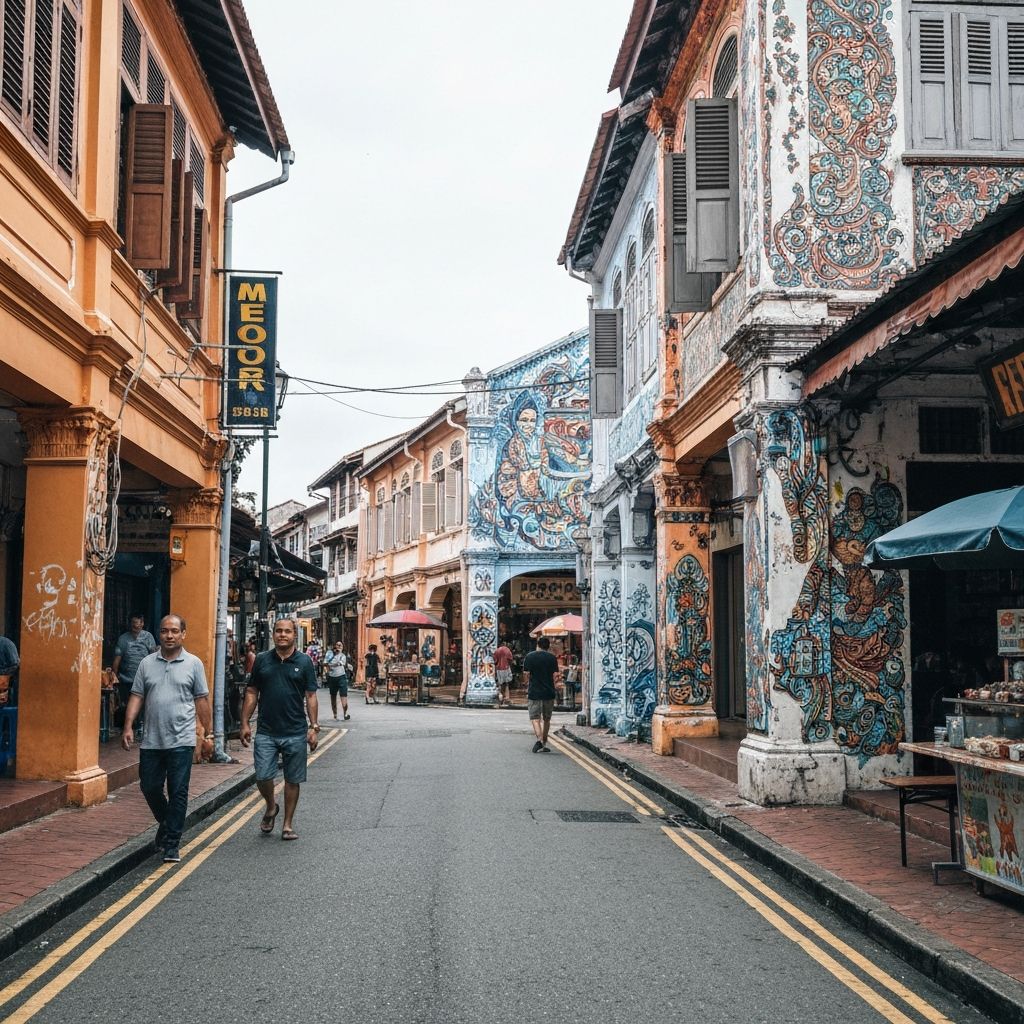
Nicknamed the "Pearl of the Orient," this northwest island destination marries British colonial legacy with thriving Asian multiculturalism. George Town, the island capital, secured UNESCO World Heritage recognition in 2008 for its extraordinary architectural diversity blending Chinese, Indian, Malay, and European design traditions. This remarkable fusion appears in elaborate worship spaces, elegant colonial edifices, traditional clan associations, and historic shopfronts filling century-old streets. Beyond architectural treasures, this island earned legendary status as Malaysia's supreme food capital, where iconic hawker specialties like char koay teow and assam laksa magnetize gastronomes from across the globe. The island harmonizes metropolitan energy with coastal serenity through pristine shorelines, forested highlands, and protected wilderness alongside its dynamic urban heart.
World Heritage Architecture
George Town's protected historical quarter presents remarkable architectural variety spanning two centuries. Historic shophouses displaying elaborate decorative facades border tight lanes, while ornate clan association buildings showcase detailed woodwork and vivid artistic panels. The magnificent Khoo Kongsi clan temple from the 1800s demonstrates exceptional craftsmanship through intricate carvings depicting legendary Chinese folklore. Traditional jetty settlements extending over harbor waters maintain authentic water village lifestyles, with Chew Jetty welcoming curious visitors most readily. Religious diversity flourishes along Harmony Street, where the Kuan Yin Buddhist temple, Kapitan Keling Mosque, and St. George's Anglican Church stand as neighbors. Colonial monuments include Fort Cornwallis marking Britain's oldest Malaysian fortification, alongside imposing government structures reflecting the island's importance as a trading hub. The Pinang Peranakan Mansion showcases wealthy Straits Chinese domestic life through original furnishings, ceremonial costumes, and precious family heirlooms displayed throughout meticulously restored rooms.
Urban Art Revolution
International recognition arrived when Lithuanian artist Ernest Zacharevic created clever interactive murals throughout George Town in 2012. His famous "Children on Bicycle" along Armenian Street became an instant sensation, depicting painted children riding an actual bicycle mounted to the building. Similar works like "Brother and Sister on Swing" and "Boy on Bike" merge painted figures with real physical elements creating perfect photo opportunities. Following this success, dozens of local and visiting artists contributed hundreds of additional murals, converting George Town into an open-air gallery. Steel caricature installations nicknamed "wire rods" share historical narratives about traditional occupations and cultural practices. Art Lane continuously evolves with fresh creations, while Hin Bus Depot functions as a dedicated art space hosting rotating exhibitions and maintaining constantly changing wall artwork. This artistic renaissance transformed ordinary streets into Instagram-worthy destinations while maintaining respect for historical surroundings.
Legendary Food Culture
The island's culinary reputation stands unmatched, with signature preparations achieving iconic status across Malaysia. Char koay teow (wok-fried flat rice noodles), assam laksa (sour tamarind fish soup), and Hokkien prawn mee represent mere samples of available delights. Nasi kandar rice plates served with various curry selections appear at legendary establishments like century-old Hameediyah. Gurney Drive and New Lane hawker complexes present dozens of affordable stalls offering remarkable cuisine diversity. Distinctive Nyonya cooking merges Chinese ingredients with Malay spicing in unique preparations like ayam buah keluak and jiu hu char. Heritage kopitiams pour aromatic Hainanese coffee alongside buttered kaya toast, while innovative contemporary restaurants reimagine traditional recipes with modern techniques. Organized food tours have become essential experiences, leading visitors beyond tourist zones to authentic neighborhood favorites where locals actually eat. Food markets like Chowrasta operate daily with fresh produce, snacks, and prepared dishes reflecting the island's incredible diversity.
Hill Escapes and Natural Attractions
Rising 821 meters above sea level, Penang Hill delivers refreshing temperatures and panoramic vistas spanning the island and distant mainland. The contemporary funicular train whisks passengers to the summit in five rapid minutes through dramatically steep terrain. Hilltop diversions include vintage colonial bungalows, botanical gardens, worship sites, and The Habitat eco-center interpreting rainforest ecosystems. The Curtis Crest Canopy Walk offers elevated walkways culminating in a viewing platform suspended 250 meters above valleys. Batu Ferringhi beach stretches along the northern shoreline with water activities and a bustling night bazaar. Secluded Monkey Beach awaits those willing to trek or arrive by boat. Penang National Park safeguards coastal and jungle habitats with trails accessing hidden beaches, a turtle hatchery, and canopy walkways. The Tropical Spice Garden cultivates over 500 botanical species with guided walks explaining traditional spice applications and culinary uses throughout various cultures.
Cultural Institutions and Events
The Peranakan Mansion reveals luxurious Straits Chinese lifestyles through antique furnishings, elaborate jewelry, and ceremonial artifacts displayed in a lovingly restored townhouse. The House of Yeap Chor Ee maintains another spectacular heritage residence with period furnishings intact. Made in Penang Interactive Museum employs augmented reality technology narrating the island's story through engaging multimedia displays. The state museum houses archaeological finds, traditional costumes, and contemporary art exhibitions. The Camera Museum presents vintage photographic equipment documenting the medium's technological evolution. Batik Painting Museum offers practical workshops where participants create their own fabric designs using traditional wax-resist techniques. Regular cultural performances include Chinese opera, Indian classical dance forms, and Malay theatrical presentations. Visiting during major festivals like Chinese New Year, Thaipusam's spectacular Hindu procession, or Hari Raya celebrations provides opportunities witnessing elaborate multicultural traditions in full colorful display.
Travel Planning Essentials
Penang International Airport maintains connections to major Asian cities plus domestic routes throughout Malaysia. Two bridges connect the island with mainland Peninsular Malaysia, served by buses, taxis, and ride-hailing applications. The complimentary CAT bus circuit covers George Town's primary tourist zones, though walking remains ideal for exploration. Rapid Penang buses provide affordable island-wide service. Bicycle and scooter rentals suit independent travelers preferring flexible schedules. Lodging options span budget-friendly heritage hostels to beachfront luxury properties and boutique hotels delivering exceptional value. December through February brings cooler, drier conditions, though the island welcomes visitors throughout the year. Most George Town attractions cluster within comfortable walking range, making two to three days adequate for main highlights, though dedicated food enthusiasts could explore indefinitely. The unhurried pace, welcoming residents, layered historical narratives, and unmatched culinary offerings establish this island as an unmissable Malaysian destination combining cultural depth with sensory pleasures.