
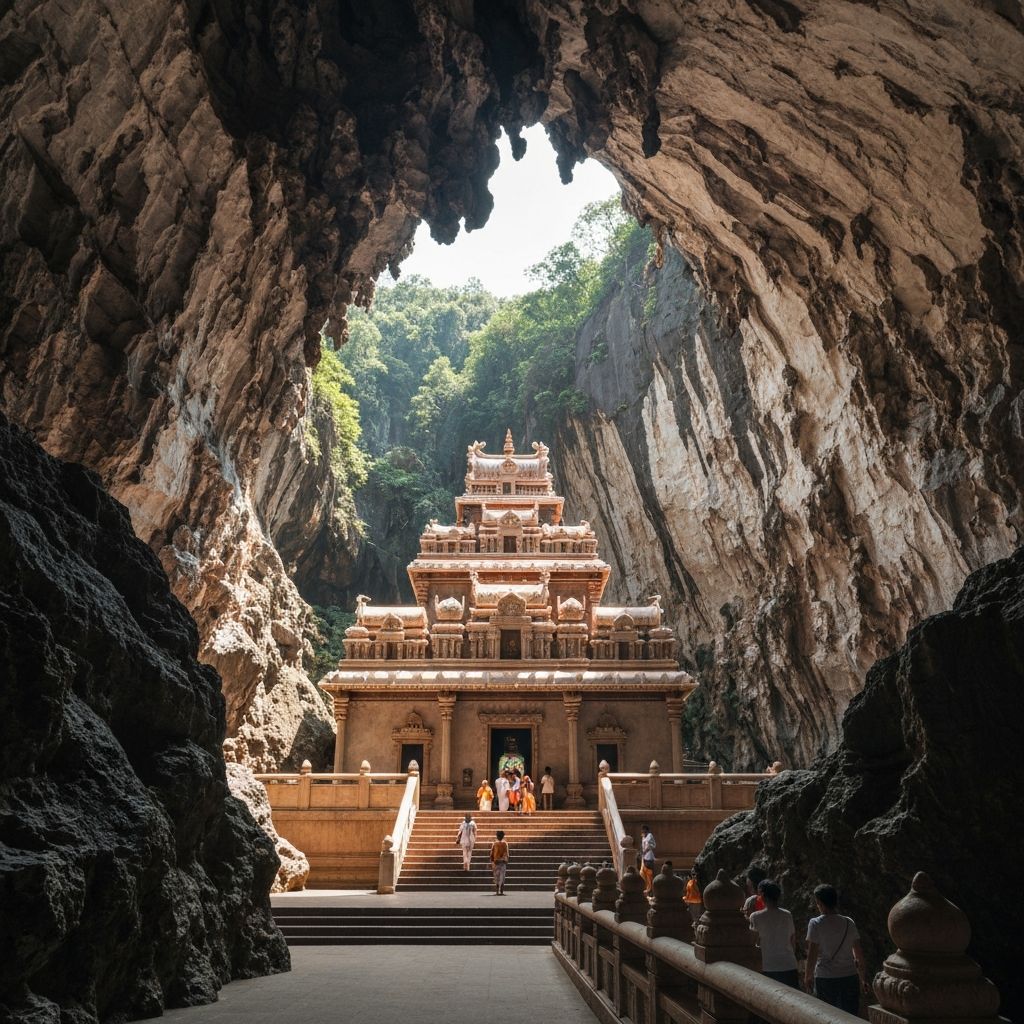
Ipoh, Perak
A charming heritage city famous for its limestone caves, colonial architecture, and legendary white coffee
Location
Perak state capital, 200km north of KL
Best Time to Visit
December to February for cooler weather
Famous For
White coffee, cave temples, street art
Unveiling Ipoh's Hidden Heritage
Nestled in the Kinta Valley approximately 200 kilometers north of Kuala Lumpur, Ipoh serves as Perak state's thriving capital and represents one of Peninsula Malaysia's best-kept secrets. This enchanting city rose to prominence during the late 19th century tin mining boom, attracting fortune-seekers and British colonial administrators who left behind an architectural legacy that continues to define Ipoh's character today. Surrounded by dramatic limestone karst formations that create a stunning natural amphitheater, Ipoh seamlessly weaves together colonial grandeur, Chinese heritage, and modern Malaysian culture. Unlike Malaysia's larger tourist hubs, Ipoh retains an authentic, unhurried atmosphere where visitors can genuinely connect with local life while discovering exceptional culinary traditions, impressive cave temples, and remarkably well-preserved historical districts that transport you back to a golden era.
Mystical Limestone Cave Sanctuaries
The towering limestone hills encircling Ipoh contain some of Malaysia's most spectacular cave temple complexes, where Buddhist devotion meets natural geological wonder. Sam Poh Tong, recognized as one of the nation's largest cave temples, sprawls through a massive cavern adorned with countless Buddhist sculptures, ornate altars, and a tranquil tortoise pond where visitors can feed hundreds of semi-aquatic turtles believed to bring good fortune. The newer Kek Lok Tong temple, accessible via a pleasant 20-minute stroll from town, showcases meticulous landscaping within a colossal limestone cavern where natural stalactite and stalagmite formations create an otherworldly atmosphere perfect for meditation and reflection. Ascending the 450 steep steps to Perak Tong temple, established in 1926 by a Buddhist priest from China, rewards determined visitors with sweeping panoramic vistas across Ipoh's urban landscape and the opportunity to admire impressive 12-meter Buddha statues carved directly into the rock face. These atmospheric cave sanctuaries provide not only spiritual experiences but also cool respite from tropical heat, showcasing the beautiful symbiosis between human faith and nature's sculptural artistry accumulated over millennia.
Architectural Splendor of the Colonial Era
Ipoh's Old Town district functions as an open-air museum showcasing exceptional examples of late 19th and early 20th-century architecture that miraculously escaped the modern development that transformed many Malaysian cities. The magnificent Ipoh Railway Station, completed in 1917 and affectionately nicknamed the "Taj Mahal of Ipoh," exemplifies the grandeur of Moorish-Victorian design with its distinctive domes, elegant arches, and intricate detailing that reflects the confidence and ambition of the British colonial period. The imposing Town Hall and stately Old Post Office building demonstrate similar architectural excellence with their neoclassical columns and elaborate facades. Wandering through streets like Jalan Panglima and the narrow Concubine Lane unveils continuous rows of beautifully proportioned Chinese shophouses featuring ornamental facades, decorative pillar work, and colorful ceramic tiles that speak to the wealth generated by tin mining. Many of these heritage structures have undergone sensitive restoration, now functioning as hip cafes, boutique accommodations, and art spaces that breathe contemporary life into these historical gems while respecting their architectural integrity and cultural significance.
Legendary Coffee and Gastronomic Excellence
Ipoh's culinary reputation extends far beyond Malaysia's borders, with the city's white coffee achieving near-legendary status among coffee enthusiasts worldwide. This distinctive brewing method, where coffee beans undergo roasting in palm oil margarine rather than traditional sugar, produces a remarkably smooth, less acidic beverage with unique flavor characteristics that faithful devotees insist cannot be replicated elsewhere. Traditional kopitiams (coffee shops) throughout the old town serve this aromatic specialty alongside quintessential local breakfast dishes that showcase Ipoh's particular culinary genius. The city's mineral-rich water supply, sourced from limestone aquifers, contributes distinctive qualities to many local specialties including the famous crunchy bean sprouts, silky hor fun rice noodles that slip effortlessly across the palate, aromatic salt-baked chicken with its crispy golden skin, and fragrant curry mee swimming in rich coconut-based broth. Legendary establishments like Lou Wong Tauge Ayam and Thean Chun have served their signature dishes for multiple generations, maintaining exacting standards that keep both locals and informed tourists queuing patiently for tables. Serious food enthusiasts could easily dedicate an entire week to exploring Ipoh's hawker centers, coffee shops, and restaurants, barely scratching the surface of why many Malaysians consider their city's cuisine superior to any other in the nation.
Urban Art and Creative Renaissance
Inspired by George Town's successful street art transformation, Ipoh has cultivated its own impressive collection of murals and creative installations that transform the Old Town into an engaging outdoor gallery encouraging leisurely exploration. The internationally recognized Lithuanian artist Ernest Zacharevic contributed several memorable murals depicting nostalgic scenes from historical Ipoh life, including the beloved "Hummingbird" and the charming "Little Girl with Watering Can" pieces that have become Instagram favorites for visitors seeking authentic local color. Local artistic talents have contributed additional works, creating a constantly evolving tapestry of visual storytelling that chronicles Ipoh's past, present, and aspirations. The atmospheric Concubine Lane, historically associated with tin miners' mistresses, has transformed into a popular pedestrian alley lined with street art, handicraft vendors, and stalls selling traditional snacks and local delicacies. The comprehensive Ipoh Mural Art Trail guides visitors to discover over 20 significant murals scattered throughout the historic core while simultaneously learning fascinating details about the city's tin mining heritage, diverse communities, and cultural evolution, making it an enriching activity for photography buffs and culture seekers equally.
Natural Wonders and Adventure Opportunities
Beyond Ipoh's urban attractions, the surrounding region offers abundant natural beauty and outdoor adventure options for active travelers. The comprehensive Lost World of Tambun theme park integrates natural hot springs with modern water attractions, amusement rides, animal encounters, and adventure activities, all dramatically set against towering limestone cliff faces that add visual drama to every experience. Rock climbing enthusiasts regard Ipoh's limestone formations as world-class destinations, offering hundreds of bolted routes spanning difficulty levels from beginner-friendly climbs to challenging overhangs that test even experienced climbers. The swift-flowing Kampar River provides exhilarating white-water rafting experiences during monsoon months when water levels rise sufficiently to create exciting rapids suitable for both novices and experienced rafters seeking adrenaline rushes. Organized day excursions to the ancient Royal Belum rainforest, recognized as one of Earth's oldest tropical jungles, or scenic drives to the cool Cameron Highlands with its endless tea plantations rolling across hillsides, are easily arranged from Ipoh. The accessible Kinta Nature Park maintains well-marked hiking trails through preserved jungle habitats where patient observers might spot indigenous wildlife including various bird species, monitor lizards, and occasionally even wild boar in their natural environments.
Visitor Logistics and Recommendations
Ipoh enjoys excellent connectivity with Kuala Lumpur through multiple transportation options: private vehicles navigate the North-South Expressway in approximately 2.5 hours, the modern ETS train service provides comfortable 2.5-hour journeys with spacious seating and power outlets, while express buses complete the trip in roughly 3 hours at very economical fares. The city center's compact dimensions make walking the preferred exploration method for most central attractions, though bicycle and e-scooter rentals enable visitors to cover greater distances effortlessly. The majority of significant attractions concentrate within the easily walkable Old Town area, allowing visitors to experience multiple sites efficiently within a single day's exploration. Accommodation options span budget-friendly backpacker hostels perfect for solo travelers, mid-range hotels offering solid comfort and convenient locations, through to characterful boutique heritage properties occupying lovingly restored shophouses that provide unique opportunities to sleep within living history. The relaxed, unhurried pace that pervades Ipoh makes it ideal for peaceful 2-3 day visits where travelers can genuinely unwind and absorb local atmosphere without rushed itineraries. Unlike Malaysia's more commercial tourist destinations, Ipoh preserves genuine local character allowing visitors privileged glimpses into authentic Malaysian urban life largely unchanged by mass tourism. The combination of welcoming locals, extremely affordable costs across accommodation and dining, and rich layered cultural experiences establishes Ipoh as an essential destination for travelers seeking to comprehend Malaysia beyond conventional tourist circuits and discover hidden gems that reward curious exploration.